
The 10 Best Camera Drones for Beginners in 2027
Plenty of first flights end in a tree or a hedge. We compared 30 expert reviews to rank the best camera drones for beginners that forgive it. Start here.

Affiliate Disclosure: As an Amazon Associate, we may earn a commission from qualifying purchases, and it never changes our picks.
Our picks at a glance

10.0/10Score

$349.00 $449.00 Save 22%
as of Nov 25, 2026, 10:46 UTC

9.7/10Score
$759.00
as of Nov 25, 2026, 10:46 UTC
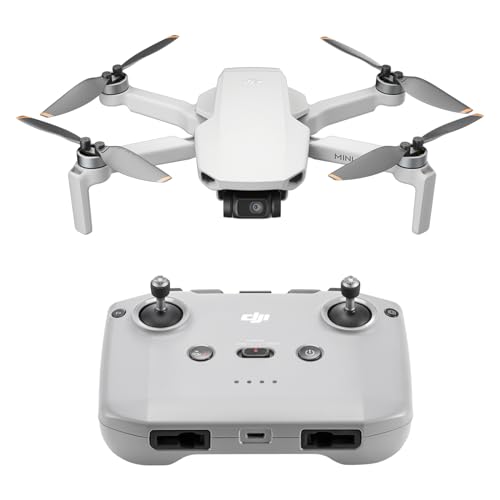
9.4/10Score
$299.00
as of Nov 25, 2026, 10:46 UTC

9.3/10Score
$479.00 $529.00 Save 9%
as of Nov 25, 2026, 10:46 UTC

9.1/10Score
$259.00
as of Nov 25, 2026, 10:46 UTC

9.1/10Score
$299.99 $319.99 Save 6%
as of Nov 25, 2026, 10:46 UTC

8.7/10Score
$215.99 $259.99 Save 17%
as of Nov 25, 2026, 10:46 UTC
Black Friday Deal

8.5/10Score
$139.00 $199.00 Save 30%
as of Nov 25, 2026, 10:46 UTC

8.4/10Score
$499.00
as of Nov 25, 2026, 10:47 UTC
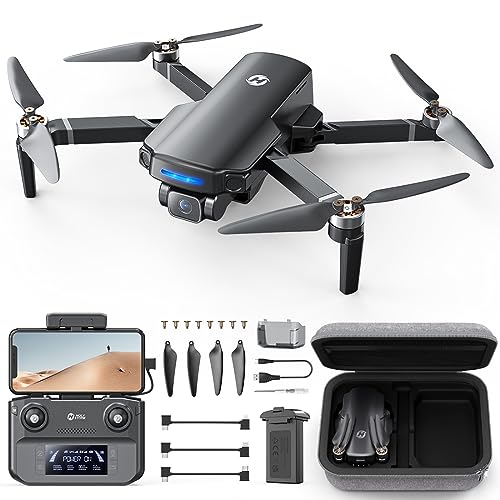
7.2/10Score
$145.34 $179.99 Save 19%
as of Nov 25, 2026, 10:46 UTC
Black Friday Deal
Product prices and availability are accurate as of the date/time indicated and are subject to change. Any price and availability information displayed on Amazon.com at the time of purchase will apply to the purchase of this product.
How we rank best camera drones for beginners?
We rank first by how easy and safe a drone is to learn on, because a nervous first flight ends with a crash or a drone in a tree. Camera quality comes next, since you're buying a drone to film. Design and build cover guards and how well it survives the bumps every beginner makes. Flight time decides how much you practice per battery, and value weighs what you get for a first drone you may outgrow.
Easy, Safe Flying30%
Sensing, guards, GPS hover and beginner modes keep a nervous first flight from ending in a crash.
Camera Quality20%
You're buying a drone to film, and a gimbal and good sensor decide whether clips are worth keeping.
Design and Build20%
Every beginner bumps something, so guards and a tough frame decide how long a first drone lasts.
Flight Time15%
More minutes per battery means more practice and fewer rushed landings.
Value15%
A first drone may be outgrown, so the price should match how much you'll really use it.
Best camera drones for beginners compared
Swipe sideways to see every spec.
| Product | Score | Camera | Flight Time | Range | Weight |
|---|---|---|---|---|---|
| 10.0 | 1/1.3-inch 48MP sensor, 4K up to 60fps (100fps slow-mo), 3-axis | Up to 31 min claimed; about 27 min in reviewer tests | Up to 13 km (FCC) with remote; about 50 m on phone Wi-Fi | Under 249g | |
| 9.7 | 1-inch 50MP; 4K up to 120fps, 10-bit D-Log M and HLG | 36 min (standard battery), 52 min (Plus battery) | 20 km max transmission (FCC) | 249.9 g rated, units often weigh 252 g; Plus battery over 250 g | |
| 9.4 | 12MP; 4K up to 30fps, 2.7K up to 60fps, normal color only | 31 min (maker rating) | 10 km max transmission | Under 249 g (no FAA registration for recreational flying) | |
| 9.3 | 1/1.3-inch f/1.7, 4K/60fps (4K/100 slow-mo), 48MP, 3-axis | Up to 32 min claimed; about 27.5 min in a cruise test | Up to 15 km claimed (SkyBridge) | Under 250 g (248 g measured by 51 Drones) | |
| 9.1 | 1/2-inch 12MP sensor, 4K up to 60fps (100fps with controller) | Up to 19 min claimed; about 12-15 min in reviewer tests | Up to 10 km (FCC) with controller or goggles; short on phone Wi-Fi | 151g; 160g with the Digital Transceiver | |
| 9.1 | 1/2-inch 48MP sensor, 4K/30fps HDR video | Up to 32 min claimed; about 20-22 min in reviewer tests | Up to 10 km (FCC) via PixSync 4.0 | Under 249g | |
| 8.7 | 1/2.3-inch 48MP Sony sensor, 4K/30fps, 3-axis gimbal | Up to 30 min claimed; about 22 min in TechRadar's windy tests | Up to 6 km claimed (3 km at 2024 launch) | 249g | |
| 8.5 | 1/2-inch 12MP sensor, 4K/30fps, single-axis gimbal | Up to 18 min claimed; about 13-14 min in Engadget testing | Up to 10 km (FCC) with controller; about 50 m on phone Wi-Fi | About 135g | |
| 8.4 | 1/2-inch sensor, 4K/60fps, 1080p/120fps, 12MP, 3-axis gimbal | Up to 16 min claimed per battery | App up to 800 m; up to 1 km with optional Beacon | 192 g (under 250 g), enclosed propellers | |
| 7.2 | 1/3-inch sensor, 4K/20fps or 2.7K/30fps, no stabilization | Up to 20 min claimed; about 15-17 min in tests | Up to 3 km (9842 ft) claimed | 249g |
1. DJI Flip (RC-N3): Best Camera Drone for Beginners Overall
The Flip is our top pick for a first camera drone because it forgives the mistakes every beginner makes. Its props sit inside full guards, so the first time you misjudge a landing on the patio or drift into a hedge, you pick it up and fly again.
Say you're learning in your backyard on a still evening. You unfold the arms, it powers on, and you practice slow passes over the open lawn. Forward 3D infrared sensing helps on the way in, and Engadget measured about 27 minutes per battery, which is plenty of practice. The camera matched the Mini 4 Pro side by side, with 4K at 60fps and 10-bit D-Log M for later.
Know its limits, though. Sensing faces forward only and turns off in smart tracking, reviewers saw it hit branches, and a FlipPilots owner says it barely moves into a 10 mph wind. So would we buy it? For calm-day learning, yes. For all-round sensing, the Neo 2 (#5) has more.
Best for: First-time pilots who want a forgiving drone with a camera they won't outgrow fast.
Skip it if: You'll often fly in wind. The DJI Mini 4K (#3) copes better at a lower cost.
Pros
- Sharp, smooth 4K with 10-bit D-Log M
- Full built-in prop guards for people-safe flying
- About 27 minutes of real flight per battery
- Fold-out arms power it on and off instantly
- Controller-free follow mode and quickshots
Cons
- Forward-only sensing; off during smart tracking
- Struggles in wind because of the prop guards
- Bulkier to pack than a DJI Mini
- Gimbal broke in one reviewer's minor crash
- Not compatible with DJI goggles or Motion 3
Hands-on reviews behind this pick
 Engadget
Show the verdict
A bold new direction and one of the most useful creator drones, with sharp 4K, guarded props and long flights, but weak in wind and short on obstacle sensing in smart modes.
- Fstoppers
Show the verdict
A no-brainer for beginners and casual flyers who want easy flying and smart features, with reliable tracking and a great live feed, though wind and image-quality buyers should look up.
- DroneXL
Show the verdict
A harsh take from DC Rainmaker: tracking is so-so and slow, obstacle avoidance is useless in practice, and a minor crash in the woods broke the gimbal and ended the test.
2. DJI Mini 5 Pro: Best Premium Camera Drone for New Pilots
The Mini 5 Pro is the drone we'd suggest to a beginner who wants to buy once. It combines the best safety net here, omnidirectional sensing with forward LiDAR, with a 1-inch sensor that you'll still appreciate years from now.
Picture your first sunset flight over a marina. The LiDAR helps it see in the dimming light, and the 1-inch sensor keeps the boats and water clean instead of grainy. ActiveTrack is faster and more reliable than the Mini 4 Pro's, and DroneXL says it survived minor crashes with only broken props.
There are two catches for a beginner. It costs far more than a first drone has to, and owners keep weighing their units at 252 to 253 g, so you'll need to register it and follow the rules that come with that. Real flights run 20 to 25 minutes, and its sensors can still miss thin bare branches. So would we buy it? If budget allows, yes. For less, the DJI Flip (#1) is our top pick.
Best for: Beginners with a bigger budget who want the safest sensing and the best camera.
Skip it if: You want to stay under 250 g or spend less. The DJI Flip (#1) is the better pick.
Pros
- 1-inch sensor gives clean low-light footage for its size
- Omnidirectional sensing plus LiDAR works in low light
- True vertical shooting with full gimbal tilt
- 42 GB internal storage if you forget a card
- Faster, more reliable ActiveTrack than the Mini 4 Pro
- Survives minor crashes with only broken props
Cons
- Most units weigh just over 250 g despite the marketing
- Real flight time 20-25 min, far below the rating
- Footage bounces in strong wind at this weight
- Sensors can miss thin bare branches
- Hard to get in the US; Amazon stock is third-party
Hands-on reviews behind this pick
- DroneXL
Show the verdict
A fantastic travel and creator drone whose 1-inch camera, LiDAR and wind handling impress, but real flights of 20-25 minutes and units weighing over 250 g are caveats to plan around.
- Potato Jet
Show the verdict
Improves on an already great mini drone in every way: better camera, faster flight, stronger obstacle avoidance and longer real flights; the main complaint is how hard it is to get in the US.
- Lenny Marti
Show the verdict
After a month of daily road-trip flying, the best mini DJI has made: image quality that is genuinely good, tough and dependable, with only its true weight and stiff ND filters to grumble about.
3. DJI Mini 4K: Best Cheap Beginner Camera Drone
The Mini 4K is the beginner drone we'd buy on a budget. It brings the basics that matter most to a new pilot: a GPS hover that holds still when you panic, a 3-axis gimbal for smooth 4K, and a real controller.
Think of learning in a big empty field on a breezy weekend. It's rated Level 5 for wind, so it holds steadier than you'd expect for its weight, and QuickShots fly the dronie or circle for you while you watch the screen. Matty DC Collins got 24 minutes per battery.
Here's the thing, though. There's no obstacle sensing and no tracking, and owners recommend it as the best-value way in while also listing tree crashes as the top complaint. Low-light footage is noisy, too. So would we buy it? For learning in open spaces, yes. If you'll fly among trees, the DJI Flip (#1) has guards and forward sensing.
Best for: Budget beginners who will learn in open spaces and want smooth 4K.
Skip it if: You'll fly near trees or people. The DJI Flip (#1) is the safer pick.
Pros
- Cheapest way into stabilized 4K from DJI
- Under 249 g, so no registration for recreational flying
- Solid real range: 2.1 km over open sea in one test
- Easy QuickShots for automated moves
- Real controller included, not phone-only
- Good out-of-camera color for beginners
Cons
- No obstacle avoidance, so trees are a real risk
- No ActiveTrack or follow-me
- No D-Log or HDR, and noisy at blue hour
- Gimbal limited in Sport mode and heavy headwind
- Real flights of 20-25 minutes
- Needs your phone as the screen
Hands-on reviews behind this pick
- DroneXL
Show the verdict
A solid little drone for capturing good photos and footage with minimal fuss, ideal for beginners; no obstacle avoidance, no ActiveTrack and no log profile are fair trade-offs at its price.
- Matty DC Collins
Show the verdict
Still an easy first-drone recommendation in 2026 for daylight shooting: real 4K, good RAW photos and long range, with no collision sensors, no log and a small sensor as the honest trade-offs.
4. Skyrover X1 (Fly More Combo): Best Non-DJI Beginner Drone with Sensing
The Skyrover X1 is our pick for a beginner who wants all-round sensing without buying DJI. Its guided first-flight tutorial walks you through the setup, and omnidirectional sensors brake reliably when you drift toward something in Normal and Cine modes.
Say your first flight is at a quiet lakeside park. The tutorial gets you airborne, the sensors stop you short of the pier, and the 1/1.3-inch camera gives clean 4K/60 that matched the Mini 4 Pro in side-by-side tests. In a cruise test it flew about 27.5 minutes, longer than most drones here.
But beginners should know two things. There's no airspace map in the app, so you'll need to check local rules yourself, and the brand's background and long-term support are unclear. The Drone Girl also had a session of phantom rear-obstacle alerts. So would we buy it? For a careful learner, yes. For built-in airspace warnings and a known brand, the DJI Mini 5 Pro (#2) is the safer bet.
Best for: Beginners who want all-round sensing and long flights without buying DJI.
Skip it if: You want airspace warnings built in. The DJI Mini 5 Pro (#2) is the better pick.
Pros
- Image quality matches the DJI Mini 4 Pro side by side
- Omnidirectional obstacle sensing that brakes reliably
- Strong flight time: about 27.5 min in a cruise test
- Sub-250 g: no FAA registration or Remote ID for hobby use
- Upward-tilting gimbal and true vertical shooting
- Guided first-flight tutorial helps beginners
Cons
- No internal storage: forget the card, no footage
- Some phantom rear-obstacle alerts reported in testing
- Thin shell with exposed electronics in the battery bay
- No airspace or no-fly-zone map in the app
- Phone-holder controller; screen controller costs more
- Brand origin and long-term support are unclear
Hands-on reviews behind this pick
- The Drone Girl
Show the verdict
Photos and video match similar DJI drones and the tutorial suits beginners, but a gapped shell, exposed electronics, ghost sensor alerts and no airspace map make it a fair-weather pick.
- DroneXL
Show the verdict
A reviewer who bought his own calls it about as close to a DJI Mini 4 Pro as you can get: great camera, best-ever flight-time test result and sub-250 g, though it lacks waypoints and onboard storage.
- QuickAssTutorials
Show the verdict
Side by side with a Mini 4 Pro, dynamic range, exposure and low light look the same and range and obstacle braking are solid; the gaps are no D-Log M, stiff default controls and basic hyperlapse.
5. DJI Neo 2 (Drone Only): Best Beginner Camera Drone for Self-Filming
If you've never flown and mostly want to be in the shot, the Neo 2 is the easiest camera drone to start with. There's no stick skill to learn first: it lifts off your palm, follows you, and lands back in your hand.
Imagine a first hike with a new drone in the bag. At the trailhead you launch it, wave to switch to a side view, and walk while it tracks you, steering around trees with all-round sensing and front LiDAR. Its tracking was rated the most accurate of its type. When you're ready, it also flies with a remote or goggles.
The catch is endurance. Real flights run 12 to 15 minutes, it's buffeted by wind, and storage is internal only. Grey Arrows owners traced erratic first flights to batteries that each need a firmware update, so update them all on day one. So would we buy it? To film yourself, yes. For scenery and longer flights, the DJI Flip (#1) is the better camera drone.
Best for: Beginners who mainly want hands-free clips of themselves with no flying skill needed.
Skip it if: You want scenery footage and long flights. The DJI Flip (#1) is the better pick.
Pros
- All-round sensing with front LiDAR prevented crashes
- Gesture control lets you reframe a follow shot mid-flight
- Clearly sharper, wider video than the original Neo
- Follows from any angle, not only from behind
- Flies by palm, phone, remote, motion controller or goggles
- Full prop guards and a tough, light body
Cons
- Only about 12-15 minutes per battery in real use
- No microSD slot; 49GB internal storage only
- Too underpowered for confident manual FPV flying
- Buffeted by wind; tiny front screen is hard to read
- Phone-only range fell short of DJI's claim in testing
Hands-on reviews behind this pick
- Camera Jabber
Show the verdict
A fun, light tracking drone and a practical tool for creators, with the most accurate subject tracking of its type so far, though wind, a tiny screen and short flights hold it back.
- DroneXL
Show the verdict
After a year of ownership this is the drone he flies most: portable, durable and flexible, and better after updates, but limited by short flights, a small sensor and no card slot.
- Luke Maximo Bell
Show the verdict
A definite upgrade over the original Neo in almost every way, with far better video, real obstacle avoidance and great gesture control; only battery life failed to improve.
6. Potensic Atom 2 (Standard Kit): Best Budget Camera Drone with Beginner Mode
The Atom 2 is the budget camera drone that does the most to teach you. It starts in Beginner Mode by default, and the app walks you through your first flights with tutorials.
Imagine your first flight on a big beach at low tide. It holds position steadily when the breeze picks up, and if you misjudge a landing, the build has survived hard crashes in reviews. When you're comfortable, AI tracking and quickshots like Dolly Zoom give you shareable clips.
The weak points are sensing and software. It has no obstacle avoidance, real flights run about 20 to 22 minutes, and footage looks over-sharpened in bright sun. Android owners on Grey Arrows report failed firmware updates and in-flight disconnects, while iPhone owners had fewer problems. So would we buy it? On a budget with an iPhone, yes. For better video and DJI's app, the DJI Mini 4K (#3) is the alternative.
Best for: Budget beginners, especially on iPhone, who want guided learning and a tough drone.
Skip it if: You use Android or want DJI's footage. The DJI Mini 4K (#3) is the better pick.
Pros
- Steady, stable flight that holds position in wind
- Beginner Mode on by default with in-app tutorials
- Solid build that survived hard crashes
- Fun AI tracking and quickshots like Dolly Zoom
- No DJI-style no-fly-zone locks
Cons
- No obstacle avoidance at all
- About 20-22 minutes per battery, not 32
- Over-sharpened, washed-out video in bright sun
- Overheat warning after an 11-minute summer flight
- Some owners report app and connection glitches
Hands-on reviews behind this pick
- The Drone Girl
Show the verdict
A tale of two drones: a well-built, steady airframe with a strong controller and beginner-friendly app, let down by a camera that washes out in sun; buy it to fly, not for footage.
- Fstoppers
Show the verdict
A capable, budget-friendly entry into the sub-249g class that holds steady in wind and tracks well, fine for casual creators and travelers but no replacement for high-end drones.
- TechSource
Show the verdict
The perfect beginner drone in the compact budget class, with 4K HDR, 8K stills and fun AI modes for the money, though obstacle detection is missed when running quickshots.
7. Holy Stone HS900 (Sirius): Best Holy Stone Camera Drone for Beginners
The HS900 is our pick for a beginner who wants a gimbal drone from a brand other than DJI. Its 48MP Sony sensor sits on a true 3-axis gimbal, so your first clips look smooth rather than shaky.
Imagine practicing at a quiet farm field in a stiff breeze. The HS900 flew without trouble in 22 mph gusts in TechRadar's flights, and its downward vision system holds position even without GPS. Cruise Control lets you fly a steady line while you focus on framing. The box includes a carry bag and spare propellers.
It's not as polished as DJI, though. There's no obstacle avoidance, white balance presets are off, subject tracking loses targets at times, and the app needs a free Holy Stone account. Real flights run about 22 minutes. So would we buy it? For a non-DJI gimbal drone, yes. For guided learning and a tougher build, the Potensic Atom 2 (#6) suits first-timers better.
Best for: Beginners who want stabilized 4K and wind stability from a non-DJI brand.
Skip it if: You want guided beginner tutorials. The Potensic Atom 2 (#6) is the better pick.
Pros
- Real 3-axis gimbal keeps 4K video smooth
- Handled 22mph gusts in testing
- Full manual camera control from app and controller
- Follow Me, Cruise Control and time-lapse included
- Under 250g, so no FAA registration for hobby flying
- Solid build and a carry bag in the box
Cons
- No obstacle avoidance
- Real flight time nearer 22 min than 30
- White balance presets are off
- Subject tracking loses targets at times
- No histogram or exposure bracketing
- Account sign-up required in the app
Hands-on reviews behind this pick
- TechRadar
Show the verdict
Holy Stone's best drone yet: well made, very good if not perfect image quality, solid flight and step-up features like tracking and cruise control, but no obstacle sensing and average flight times.
- Digital Camera World
Show the verdict
A strong mid-range sub-250g drone with features its direct rivals lack and very good photos and video, held back by quirky white balance, no histogram and no obstacle avoidance. Great for beginners.
- Half Chrome
Show the verdict
Called it the best drone Holy Stone sells: a real 3-axis gimbal, solid 4K camera and decent range that held up on a windy day, with a usable Follow Me, though account setup was a pain.
8. DJI Neo: Best Crash-Tough Camera Drone for Beginners
The Neo is our pick for beginners who expect to crash a lot and don't want to pay much for it. It's guarded, light and remarkably tough: Engadget flew it into trees and floors without damage.
Picture a birthday party in the backyard. You launch it from your hand, pick a quickshot, and it films the whole group around you, then lands on your palm. No controller, no phone, no flying skill.
The weaknesses are clear, though. It has no obstacle sensors, so it can drift into branches during quickshots, and owners on the DJI Forum report it drifting off course, once toward water. Flights last 13 to 14 minutes, the props are loud, and it's been succeeded by the Neo 2. So would we buy it? On the smallest budget, yes. If you can stretch, the Neo 2 (#5) adds real sensing.
Best for: Beginners on a tight budget who want a tough, guarded drone for casual clips.
Skip it if: You want obstacle sensing. The DJI Neo 2 (#5) is the better pick.
Pros
- Palm launch and landing with no controller or phone
- Survived repeated crashes into trees and floors
- Prop guards make it safe to fly near people
- Works with phone, remotes, motion controller or goggles
- Very light and pocketable
Cons
- Only about 13-14 minutes per battery
- No obstacle sensors; veered into branches
- Very loud, high-pitched propeller noise
- Struggles in gusty wind
- No microSD slot; 22GB internal storage only
Hands-on reviews behind this pick
- Engadget
Show the verdict
A no-brainer for many creators: fast, fun, beginner-friendly and tough, with sharp video for the money, held back by short battery life, loud props and no obstacle sensors.
- RobHK
Show the verdict
After 300 days it is rock solid and the most versatile, easiest DJI drone to use; image quality needs tweaking, so lower expectations and enjoy its ease and flexibility.
- Air Photography
Show the verdict
A year on, nothing at its price flies as well or is as flexible; tough enough to shrug off bumps while tracking, but video, storage and gusty-wind handling are its limits.
9. HoverAir X1 Pro (Standard): Best No-Controller Camera Drone for Beginners
The X1 Pro is the camera drone we'd pick for a beginner who wants to film activities and never touch a controller. It's a self-flying camera: you choose a mode on its top screen, launch from your palm, and it does the flying.
Say you're mountain biking a local singletrack loop. DC Rainmaker ran his forest bike gauntlet with it and finished without a crash, and Always Another Adventure got follow speeds of about 20 to 30 mph. It folds to pocket size at 192 g and its frame survives a lot of knocks.
The limits matter, though. Flights are short, so plan on spare batteries, it has only rear proximity sensing, and it tracks people only. A long-term owner riding fast through trees reports frequent crashes and batteries ejecting on impact. So would we buy it? To film your rides with no skill, yes. To learn real flying, start with the DJI Flip (#1).
Best for: Beginners who want automatic follow shots of their rides and hikes, with no controller.
Skip it if: You want to learn to fly and film scenery. The DJI Flip (#1) is the better pick.
Pros
- Best-in-class autonomous tracking, even through woods
- Launches from your palm with no controller or phone
- Folds to pocket size at 192 g
- Tough enclosed-prop frame shrugs off crashes
- On-drone screen changes modes without the app
- Optional Beacon adds a screen, mic and steadier tracking
Cons
- Short flights: two or more spare batteries needed
- No forward obstacle sensing; rear sensors miss branches
- Struggles in gusty wind at under 200 g
- Occasional sensor and system error messages
- Tracks people only, not cars or other objects
- Standard kit has one battery and no Beacon
Hands-on reviews behind this pick
- DC Rainmaker
Show the verdict
Calls it by far the best tracking drone he has tested, clearing his forest bike course untouched, but says it is weaker as a general drone, with odd error messages and refused takeoffs.
- Always Another Adventure
Show the verdict
Rates it the drone he would now buy for outdoor adventure filming: big gains in video, software and extras, though his early unit still crashed into trees and had beacon pairing trouble.
10. Holy Stone HS360S (Spydi): Best GPS Trainer Camera Drone
The HS360S is the trainer we'd buy to learn stick flying before moving to a better camera drone. Its GPS hover is very steady and its return-to-home was accurate in every test, so mistakes stay small.
Picture a weekday lunch break in an empty office park lot. You practice climbing, turning and landing on a marked spot, and if you get disoriented, one button brings it home. The controls are smooth and forgiving, and the wired phone link avoids Wi-Fi lag.
Don't buy it for footage. The camera has only a tilt with damping, so every pitch and roll shows, and processing smears detail. Flights last about 15 minutes, and each battery takes about 3 hours to recharge. So would we buy it? As a cheap trainer, yes. When you're ready for real video, the DJI Mini 4K (#3) is the step up.
Best for: New pilots who want a cheap GPS trainer before buying a better camera drone.
Skip it if: You want good footage from the start. The DJI Mini 4K (#3) is the better pick.
Pros
- Cheap way into a GPS drone with return to home
- Accurate return-to-home landings in tests
- Smooth, beginner-friendly controls
- GPS Follow Me tracks the phone well
- Wired phone link instead of laggy Wi-Fi
- Well built for the price
Cons
- No gimbal stabilization, so video is shaky
- Heavy processing smears fine detail
- 4K only at 20fps
- About 15 minutes per battery in real use
- Battery takes about 3 hours to charge
- Fully automatic camera, no manual control
Hands-on reviews behind this pick
- Space.com
Show the verdict
One of the cheapest sub-250g drones, it flies well and has useful features, but the point-and-shoot camera has heavy processing, no stabilization and short flights. A basic drone to learn on.
- The Gadgeteer
Show the verdict
A feature-packed, very stable hovering drone that mostly does what it promises and has reliable return to home. Video shows every pitch and roll and looks hazy, but it is a fine way to learn to fly.
- GH Tech Review
Show the verdict
A fun starter drone with accurate return to home and good GPS follow, but AI tracking failed, flights ran about 17 minutes and the ungimbaled camera disappoints. Buy it to learn, not for 4K.
Best camera drones for beginners buying guide for 2027
What should a beginner look for in a camera drone?
Look for a safety net first: GPS hover, return-to-home and either obstacle sensing or prop guards. Those features turn a panicked first flight into a pause.
The DJI Flip (#1) has full guards and forward sensing, the Neo 2 (#5) and Mini 5 Pro (#2) have all-round sensing, and the Skyrover X1 (#4) has omnidirectional sensors. The Mini 4K (#3) and Potensic Atom 2 (#6) skip sensing but hold position steadily. After that, a 3-axis gimbal matters most for video, and real flights of 20 minutes or more give you time to learn. If you want goggles instead of a screen, see our picks of goggles drones for your first FPV flights.
Do beginners need to register a camera drone?
Only if it weighs 250 g or more, but every recreational pilot has to pass a test. The FAA requires registration at 250 g and up, and says you must take the free TRUST test and carry proof when flying, at any weight.
Most picks here are under 250 g: the Flip (#1), Mini 4K (#3), Skyrover X1 (#4) and Atom 2 (#6), and the HS900 (#7) and HS360S (#10) at 249 g. The Neo 2 (#5), Neo (#8) and HoverAir X1 Pro (#9) are far lighter. The Mini 5 Pro (#2) is rated 249.9 g, but most units weigh about 252 g, so treat it as registered. And recreational pilots must keep the drone within visual line of sight.
Is obstacle avoidance worth it for a beginner drone?
Yes, if you'll fly anywhere near trees. Tree crashes are the most common complaint from Mini 4K (#3) owners, and that drone has no sensing at all.
All-round sensing is the best safety net: the Neo 2 (#5) adds front LiDAR, the Mini 5 Pro (#2) pairs omnidirectional vision with LiDAR, and the Skyrover X1 (#4) brakes reliably in Normal and Cine. The Flip (#1) only senses forward, but its guards cover the rest. Sensors aren't perfect: the Mini 5 Pro can miss thin bare branches. If you'll learn in open fields and beaches, a cheaper drone without sensing, like the Mini 4K or Atom 2 (#6), is fine.
How much should you spend on a first camera drone?
Spend enough to get GPS and a 3-axis gimbal, and no more unless you know you'll keep flying. That puts most beginners at the Mini 4K (#3), Atom 2 (#6) or HS900 (#7) level.
Step up to the Flip (#1) for guards and longer flights, or the Mini 5 Pro (#2) if you want to buy once and grow into it. Trainers like the HS360S (#10) cost less, but their unstabilized cameras mean you'll want another drone for footage. For the cheapest options with a gimbal, see our list of camera drones that cost less than $300, and for picks at every price and job, see our complete drone rankings.
Should a beginner get a self-flying camera drone?
Only if you mostly want to film yourself. Self-flying cameras like the Neo 2 (#5), Neo (#8) and HoverAir X1 Pro (#9) launch from your palm and follow you with no stick skill, which is perfect for hikes, rides and vlogs.
The trade-off is short flights of about 12 to 15 minutes on the DJIs, and you won't learn to fly a normal drone. If you want sweeping scenery or plan to get better at flying, start with the Flip (#1) or Mini 4K (#3). Buying for a child rather than yourself? Our guide to first drones for younger pilots covers smaller, simpler picks.
Best camera drones for beginners: frequently asked questions
What is the best camera drone for beginners?
The DJI Flip is our pick. Its full prop guards forgive early bumps, it flies about 27 real minutes, shoots 4K at 60fps with 10-bit D-Log M and stays under 249 g. It struggles in wind, so learn on calm days. For flying in wind on a budget, get the DJI Mini 4K.
What is the easiest drone to fly for a beginner?
The DJI Neo 2. It launches from your palm, follows you with all-round sensing and front LiDAR, and responds to hand gestures, so there's no stick skill to learn. Flights last 12 to 15 minutes. If you want to learn to fly a normal camera drone, start with the DJI Flip.
What is the best cheap camera drone for beginners?
The DJI Mini 4K. It has a 3-axis gimbal, a steady GPS hover, a real controller and is rated Level 5 for wind, all under 249 g. It has no obstacle sensing, so practice in open fields. The Potensic Atom 2 is the non-DJI alternative with a built-in Beginner Mode.
Do I need a license to fly a drone as a beginner?
Not for recreational flying, but the FAA requires you to pass the free TRUST test and carry proof. Drones of 250 g or more must also be registered. Most picks here, like the DJI Flip and Mini 4K, are under 250 g; the Mini 5 Pro usually weighs about 252 g.
Is the DJI Mini 5 Pro good for beginners?
Yes, if budget allows. Omnidirectional sensing plus forward LiDAR is the best safety net here, and its 1-inch sensor gives the best footage. Most units weigh about 252 g, so you'll need to register it, and it costs far more than a first drone needs to. For less, buy the DJI Flip.