
The 7 Best Camera Drones under $300 in 2027
Plenty of cheap drones sell a 4K label and shoot wobbly 2.7K. We compared 21 expert reviews to find the best camera drones under $300. Pick yours.

Affiliate Disclosure: As an Amazon Associate, we may earn a commission from qualifying purchases, and it never changes our picks.
Our picks at a glance
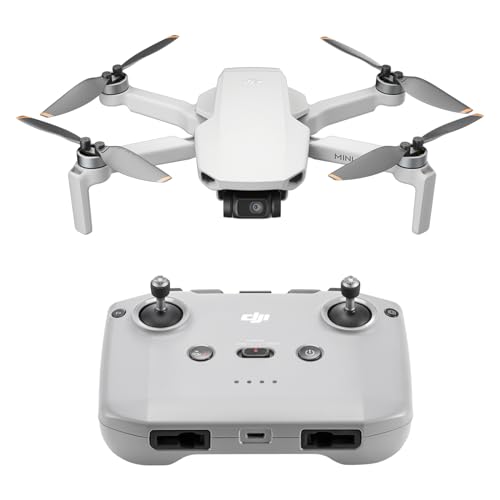
10.0/10Score

$299.00
as of Nov 25, 2026, 10:46 UTC

9.5/10Score
$259.00
as of Nov 25, 2026, 10:46 UTC

9.2/10Score
$215.99 $259.99 Save 17%
as of Nov 25, 2026, 10:46 UTC
Black Friday Deal

8.6/10Score
$139.00 $199.00 Save 30%
as of Nov 25, 2026, 10:46 UTC
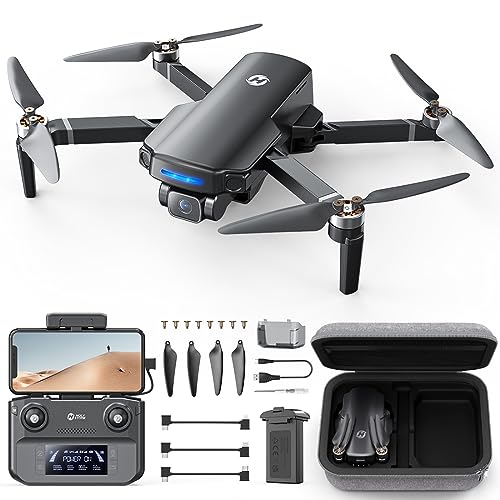
7.3/10Score
$145.34 $179.99 Save 19%
as of Nov 25, 2026, 10:46 UTC
Black Friday Deal

7.0/10Score
$127.49 $149.99 Save 15%
as of Nov 25, 2026, 10:46 UTC
Black Friday Deal

7.0/10Score
$50.99 $59.99 Save 15%
as of Nov 25, 2026, 10:47 UTC
Black Friday Deal
Product prices and availability are accurate as of the date/time indicated and are subject to change. Any price and availability information displayed on Amazon.com at the time of purchase will apply to the purchase of this product.
How we rank best camera drones under $300 for you?
We rank first by camera quality, because a 3-axis gimbal is what turns a cheap drone into a camera drone, and few at this budget have one. Design and build come next: weight, folding and surviving crashes. Flight safety covers GPS hover, return-to-home and obstacle sensing, the features that keep a budget drone from flying off. Flight time decides how many shots you get per battery, and value weighs what you give up against stepping up.
Camera Quality30%
Few drones at this budget have a 3-axis gimbal, so footage ranges from smooth to unwatchable.
Design and Build20%
Weight decides registration, and a tough, folding body decides whether crashes end the drone.
Flight Safety20%
GPS hover, return-to-home and sensing stop a budget drone from drifting away or hitting a tree.
Flight Time15%
Short real-world flights are the usual catch, and every battery swap costs you the light.
Value15%
Every pick is affordable, so value is about what you give up compared with stepping up.
Best camera drones under $300 compared
Swipe sideways to see every spec.
| Product | Score | Camera | Flight Time | Range | Weight |
|---|---|---|---|---|---|
| 10.0 | 12MP; 4K up to 30fps, 2.7K up to 60fps, normal color only | 31 min (maker rating) | 10 km max transmission | Under 249 g (no FAA registration for recreational flying) | |
| 9.5 | 1/2-inch 12MP sensor, 4K up to 60fps (100fps with controller) | Up to 19 min claimed; about 12-15 min in reviewer tests | Up to 10 km (FCC) with controller or goggles; short on phone Wi-Fi | 151g; 160g with the Digital Transceiver | |
| 9.2 | 1/2.3-inch 48MP Sony sensor, 4K/30fps, 3-axis gimbal | Up to 30 min claimed; about 22 min in TechRadar's windy tests | Up to 6 km claimed (3 km at 2024 launch) | 249g | |
| 8.6 | 1/2-inch 12MP sensor, 4K/30fps, single-axis gimbal | Up to 18 min claimed; about 13-14 min in Engadget testing | Up to 10 km (FCC) with controller; about 50 m on phone Wi-Fi | About 135g | |
| 7.3 | 1/3-inch sensor, 4K/20fps or 2.7K/30fps, no stabilization | Up to 20 min claimed; about 15-17 min in tests | Up to 3 km (9842 ft) claimed | 249g | |
| 7.0 | 2.7K (2688x1512) video, no gimbal or EIS, tilt only | Up to 23 min per battery (claimed), 2 batteries | 500 m control, 300 m live view (claimed) | 215 g | |
| 7.0 | 1080P photo and video at 20fps, 65 degree lens, manual tilt | Up to 6 min per battery (claimed) | 100 m control, 50 m live view | 31 g |
1. DJI Mini 4K: Best Camera Drone under $300 Overall
If you want proper aerial video on a budget, the Mini 4K is the answer. It's the only drone here with a 3-axis gimbal, which is what separates smooth footage from the wobbly clips most cheap drones shoot.
Picture a fall road trip to a Vermont overlook. You launch from the parking area, fly out over the color and pull back for a slow reveal, and the gimbal keeps the horizon level through the gusts. QuickShots handle the moves if you're new. Matty DC Collins got 24 minutes per battery, and the link stayed solid past 2 km over the sea.
It has real gaps, though. There's no obstacle sensing and no subject tracking, and tree crashes top the owner complaints. Dusk footage turns noisy, too. So would we buy it? For scenery and travel clips, yes. If you mostly want to film yourself, the Neo 2 (#2) does that better.
Best for: Budget buyers who want smooth, stabilized 4K scenery footage from a real camera drone.
Skip it if: You mostly want to film yourself hands-free. The DJI Neo 2 (#2) is the better pick.
Pros
- Cheapest way into stabilized 4K from DJI
- Under 249 g, so no registration for recreational flying
- Solid real range: 2.1 km over open sea in one test
- Easy QuickShots for automated moves
- Real controller included, not phone-only
- Good out-of-camera color for beginners
Cons
- No obstacle avoidance, so trees are a real risk
- No ActiveTrack or follow-me
- No D-Log or HDR, and noisy at blue hour
- Gimbal limited in Sport mode and heavy headwind
- Real flights of 20-25 minutes
- Needs your phone as the screen
Hands-on reviews behind this pick
- DroneXL
Show the verdict
A solid little drone for capturing good photos and footage with minimal fuss, ideal for beginners; no obstacle avoidance, no ActiveTrack and no log profile are fair trade-offs at its price.
- Matty DC Collins
Show the verdict
Still an easy first-drone recommendation in 2026 for daylight shooting: real 4K, good RAW photos and long range, with no collision sensors, no log and a small sensor as the honest trade-offs.
2. DJI Neo 2 (Drone Only): Best Self-Filming Camera Drone
The Neo 2 is the camera drone we'd pick for filming yourself. You hold it out, it lifts off your palm, and it follows you from the front, side or behind while you jog, cycle or walk the dog.
Say you're skating a boardwalk on a Sunday morning. A hand gesture moves it from a chase shot to a side view without you touching a phone, and all-round sensing with front LiDAR keeps it off the lampposts. Its tracking was rated the most accurate of its type, and the 4K is clearly sharper and wider than the original Neo's.
The trade-offs are short flights and a small sensor. Expect 12 to 15 minutes per battery, and the 1/2-inch sensor can't match the Mini 4K's scenery footage. It also gets pushed by wind. So would we buy it? For self-filming, yes. For landscapes, the DJI Mini 4K (#1) is the stronger camera.
Best for: Solo creators, runners and riders who want hands-free follow shots.
Skip it if: You want sweeping scenery shots and longer flights. The DJI Mini 4K (#1) is the better pick.
Pros
- All-round sensing with front LiDAR prevented crashes
- Gesture control lets you reframe a follow shot mid-flight
- Clearly sharper, wider video than the original Neo
- Follows from any angle, not only from behind
- Flies by palm, phone, remote, motion controller or goggles
- Full prop guards and a tough, light body
Cons
- Only about 12-15 minutes per battery in real use
- No microSD slot; 49GB internal storage only
- Too underpowered for confident manual FPV flying
- Buffeted by wind; tiny front screen is hard to read
- Phone-only range fell short of DJI's claim in testing
Hands-on reviews behind this pick
- Camera Jabber
Show the verdict
A fun, light tracking drone and a practical tool for creators, with the most accurate subject tracking of its type so far, though wind, a tiny screen and short flights hold it back.
- DroneXL
Show the verdict
After a year of ownership this is the drone he flies most: portable, durable and flexible, and better after updates, but limited by short flights, a small sensor and no card slot.
- Luke Maximo Bell
Show the verdict
A definite upgrade over the original Neo in almost every way, with far better video, real obstacle avoidance and great gesture control; only battery life failed to improve.
3. Holy Stone HS900 (Sirius): Best Non-DJI Camera Drone with a Gimbal
The HS900 is the camera drone we'd buy if you want a gimbal without DJI. It's Holy Stone's most capable budget model, with a 1/2.3-inch 48MP Sony sensor on a true 3-axis gimbal, and that combination puts it far ahead of toy-grade drones.
Imagine filming your kid's soccer game from the edge of the field on a breezy Saturday. The gimbal keeps the clip steady, and TechRadar's flights went fine in 22 mph gusts. Follow Me and Cruise Control give you moving shots, and the battery charges in the drone over USB-C in just over an hour. The app needs a free Holy Stone account.
The weak points are sensing and color. There's no obstacle avoidance, white balance presets are off, and tracking loses targets at times. Real flights run about 22 minutes, not 30. So would we buy it? For a non-DJI gimbal drone, yes. For better color and a stronger link, the DJI Mini 4K (#1) wins.
Best for: Buyers who want a stabilized 4K camera drone from a brand other than DJI.
Skip it if: You want the best color straight out of the camera. The DJI Mini 4K (#1) is the better pick.
Pros
- Real 3-axis gimbal keeps 4K video smooth
- Handled 22mph gusts in testing
- Full manual camera control from app and controller
- Follow Me, Cruise Control and time-lapse included
- Under 250g, so no FAA registration for hobby flying
- Solid build and a carry bag in the box
Cons
- No obstacle avoidance
- Real flight time nearer 22 min than 30
- White balance presets are off
- Subject tracking loses targets at times
- No histogram or exposure bracketing
- Account sign-up required in the app
Hands-on reviews behind this pick
- TechRadar
Show the verdict
Holy Stone's best drone yet: well made, very good if not perfect image quality, solid flight and step-up features like tracking and cruise control, but no obstacle sensing and average flight times.
- Digital Camera World
Show the verdict
A strong mid-range sub-250g drone with features its direct rivals lack and very good photos and video, held back by quirky white balance, no histogram and no obstacle avoidance. Great for beginners.
- Half Chrome
Show the verdict
Called it the best drone Holy Stone sells: a real 3-axis gimbal, solid 4K camera and decent range that held up on a windy day, with a usable Follow Me, though account setup was a pain.
4. DJI Neo: Best Cheap DJI Camera Drone
So you want DJI footage for the least money? The Neo is that drone. It's tough, guarded and palm-launched, and owners after a year of flying call it rock solid.
Think of a family picnic at a lake. You launch it from your hand, pick a dronie, and it flies back and up to show everyone on the blanket, then lands in your palm. Engadget crashed it into trees and floors without damage. Footage is sharp 4K at 30fps in good light, though the image needs some tweaking.
The weaknesses are real. It has no obstacle sensors, so owners on NeoPilots share near-losses from return-to-home flights and gusty wind. Flights are 13 to 14 minutes, the props are loud, and storage is 22 GB with no card slot. So would we buy it? On the tightest budget, yes. If you can stretch, the Neo 2 (#2) fixes most of this.
Best for: Budget buyers who want a tough DJI self-filming drone for casual clips.
Skip it if: You want obstacle sensing and sharper video. The DJI Neo 2 (#2) is the better pick.
Pros
- Palm launch and landing with no controller or phone
- Survived repeated crashes into trees and floors
- Prop guards make it safe to fly near people
- Works with phone, remotes, motion controller or goggles
- Very light and pocketable
Cons
- Only about 13-14 minutes per battery
- No obstacle sensors; veered into branches
- Very loud, high-pitched propeller noise
- Struggles in gusty wind
- No microSD slot; 22GB internal storage only
Hands-on reviews behind this pick
 Engadget
Show the verdict
A no-brainer for many creators: fast, fun, beginner-friendly and tough, with sharp video for the money, held back by short battery life, loud props and no obstacle sensors.
- RobHK
Show the verdict
After 300 days it is rock solid and the most versatile, easiest DJI drone to use; image quality needs tweaking, so lower expectations and enjoy its ease and flexibility.
- Air Photography
Show the verdict
A year on, nothing at its price flies as well or is as flexible; tough enough to shrug off bumps while tracking, but video, storage and gusty-wind handling are its limits.
5. Holy Stone HS360S (Spydi): Best GPS Camera Drone for Learning to Fly
The HS360S is the camera drone we'd buy to learn to fly, not to film. Its GPS hover is very steady and return-to-home was accurate in every test, so a nervous first flight in a field stays calm.
Say you're practicing in a sports field after work. You climb, hover and let go of the sticks, and it simply waits. If you lose your nerve, one button brings it back to land near your feet. GPS Follow Me tracks your phone well, and the wired phone link avoids the lag of cheap Wi-Fi drones. The Gadgeteer measured a top speed of about 17 mph.
The camera is the weak spot. A single-axis tilt with damping means every pitch and roll shows, horizons tilt in wind, and processing smears detail. Flights last about 15 minutes, and recharging takes about 3 hours. So would we buy it? As a GPS trainer, yes. For footage worth posting, the Holy Stone HS900 (#3) has a real gimbal.
Best for: New pilots who want a GPS drone that hovers steadily and comes home reliably.
Skip it if: You want smooth, stabilized video. The Holy Stone HS900 (#3) is the better pick.
Pros
- Cheap way into a GPS drone with return to home
- Accurate return-to-home landings in tests
- Smooth, beginner-friendly controls
- GPS Follow Me tracks the phone well
- Wired phone link instead of laggy Wi-Fi
- Well built for the price
Cons
- No gimbal stabilization, so video is shaky
- Heavy processing smears fine detail
- 4K only at 20fps
- About 15 minutes per battery in real use
- Battery takes about 3 hours to charge
- Fully automatic camera, no manual control
Hands-on reviews behind this pick
- Space.com
Show the verdict
One of the cheapest sub-250g drones, it flies well and has useful features, but the point-and-shoot camera has heavy processing, no stabilization and short flights. A basic drone to learn on.
- The Gadgeteer
Show the verdict
A feature-packed, very stable hovering drone that mostly does what it promises and has reliable return to home. Video shows every pitch and roll and looks hazy, but it is a fine way to learn to fly.
- GH Tech Review
Show the verdict
A fun starter drone with accurate return to home and good GPS follow, but AI tracking failed, flights ran about 17 minutes and the ungimbaled camera disappoints. Buy it to learn, not for 4K.
6. Holy Stone HS175D: Best Two-Battery Camera Drone for Practice
The HS175D is our pick for the most flying per afternoon. Two batteries of about 20 minutes each come in the box, which is rare at this price, and GPS return-to-home lands it back near you.
Imagine a long morning at a county park, practicing figure eights. You run one battery down, swap, and you're up again for another 20 minutes while the first cools. It folds into a small bag and weighs 215 g, so there's no registration for recreational flying.
But don't buy it for the camera. Every reviewer says it records 2.7K, not 4K, and with no gimbal or EIS, clips show every wobble. Owners on RC Groups split on how well its GPS holds, and the Wi-Fi link makes going past about 100 m risky. So would we buy it? For practice time, yes. For a steadier hover, the HS360S (#5) is better.
Best for: Learners who want long practice sessions from two batteries and GPS return-to-home.
Skip it if: You want video worth sharing. The DJI Mini 4K (#1) is the better pick.
Pros
- Reliable flights around 20 minutes per battery
- Under 250 g and folds small
- GPS return to home lands accurately
- Two batteries, chargers and padded case included
- Brushless motors at a toy-drone price
Cons
- Sold as 4K but records 2.7K video
- No gimbal or EIS, footage shows every wobble
- Fiddly calibration before every flight
- Wi-Fi link limits real range
- Quirky app, recording sometimes stops itself
Hands-on reviews behind this pick
- Digital Camera World
Show the verdict
Real merit for the money, with reliable 20-minute flights and a good case, but let down by a clunky app, fiddly pre-flight steps and marketing that calls its 2.7K camera 4K.
- Gadget Inspector
Show the verdict
An overall positive budget GPS drone with long flights, a compact body and decent photos and video if flown slowly, held back by weak smart modes, 2.7K video and short real range.
- CurryKitten
Show the verdict
Could not recommend it: after following the manual closely the review unit would barely arm, lost stick control and kept triggering return to home, and Holy Stone never replied.
7. Holy Stone HS420: Best Indoor Camera Drone for Kids
The HS420 is the camera drone we'd hand a child for indoor play. It's tiny, guarded and forgiving, with a live view on the phone so they can see what the drone sees.
Picture a rainy afternoon in the living room. Your kid tosses it into the air, it holds altitude, and a hand gesture snaps a selfie from across the room. Altitude hold and headless mode make it manageable for small hands, and a crash into the couch does no harm.
Here's the honest catch. Flights are very short, it can't handle any outdoor wind, and Open Circuit hit laggy controls and Wi-Fi trouble while other reviewers were happier. The camera is mainly there for the live view, with photos saved to the phone. So would we buy it? As an indoor toy, yes. For a real outdoor camera drone, start with the DJI Neo (#4). For more ideas, see our cheaper drones for kids and practice.
Best for: Parents buying a child an indoor camera drone for play.
Skip it if: You want a drone that flies outdoors. The DJI Neo (#4) is the better pick.
Pros
- Tiny guarded drone with a live camera view
- Toss to launch and gesture selfies keep kids busy
- Multiple batteries in the box
- Forgiving to crash indoors
- Altitude hold and headless mode for beginners
Cons
- Very short flights per battery
- Unflyable outdoors in even light wind
- Control lag and flaky Wi-Fi reported
- Flips need about 10 feet of height
- Camera tilt only adjustable by hand
Hands-on reviews behind this pick
- Open Circuit RC & Tech
Show the verdict
A hard pass: the reviewer was disappointed by a very short flight time, laggy controls, flips that would not trigger and a Wi-Fi link that often failed to connect first time.
- Steven Welch
Show the verdict
Very easy to control and great fun indoors, and a cheap, forgiving way for kids to learn the same controls as bigger drones, but at 31 grams it cannot cope with a five-knot wind.
Best camera drones under $300 buying guide for 2027
Can you get a camera drone with a gimbal under $300?
Yes, and it's the single most important thing to look for at this budget. A 3-axis gimbal keeps the camera level while the drone tilts and banks, so your video looks smooth instead of seasick.
Two picks here have one: the DJI Mini 4K (#1) and the Holy Stone HS900 (#3). The DJI Neo 2 (#2) has a 2-axis gimbal, and the original Neo (#4) a single-axis one. The Holy Stone HS360S (#5) and HS175D (#6) have no real stabilization, so every wobble shows. If smooth video is the reason you're buying, choose between the Mini 4K and the HS900.
Is 4K worth it on a cheap camera drone?
Only when the drone has the stabilization and sensor to use it. A 4K label on an unstabilized drone often means shaky, heavily processed video, or a lower resolution than promised.
The HS175D (#6) is sold as 4K but every reviewer found it records 2.7K. The HS360S (#5) shoots 4K at only 20fps. By contrast, the Mini 4K (#1) records real 4K on a 3-axis gimbal, and the Neo 2 (#2) does 4K up to 60fps. So look past the resolution on the box and check for a gimbal first. If you want truly sharp 4K and can spend more, the step-up picks in the drone guide that covers every budget are the place to look.
Do camera drones under $300 need FAA registration?
Not for recreational flying, because every pick here is under 250 g. The FAA requires registration for drones of 250 g or more, and recreational pilots also have to pass the free TRUST test and carry proof when flying.
The heaviest picks are the Mini 4K (#1), HS900 (#3) and HS360S (#5), all at 249 g or just under. The HS175D (#6) is 215 g, the Neo 2 (#2) 151 g, the Neo (#4) about 135 g and the HS420 (#7) just 31 g. If staying under the line is your top priority across every price, our guide to camera drones that skip FAA registration goes further.
How long do cheap camera drone batteries last?
Expect about 13 to 25 minutes outdoors, well below most claims. Real flights include climbing, framing and wind, and budget drones drop the most from their ratings.
The DJI Mini 4K (#1) runs about 20 to 25 minutes and the HS900 (#3) about 22. The HS175D (#6) gives about 20 minutes per battery and ships with two. The HS360S (#5) lasts about 15 and takes about 3 hours to recharge. The self-filming DJIs are shortest at 12 to 15 minutes for the Neo 2 (#2) and 13 to 14 for the Neo (#4). That's why a kit with extra batteries is worth more than any other add-on.
What do you give up with a camera drone under $300?
Mostly obstacle sensing and low-light quality. Only the Neo 2 (#2) has all-round sensing here; the rest rely on you to avoid trees, and tree crashes are a common owner complaint about the Mini 4K (#1).
You also give up clean dusk footage, log color and strong wind handling. If those start to limit you, the step up is real. But if you're still learning, a cheaper drone you're not afraid to crash teaches you faster. First-timers can also compare our picks of camera drones that are easy to fly on day one, which include stronger cameras for buyers ready to spend more.
Best camera drones under $300: frequently asked questions
What is the best camera drone under $300?
The DJI Mini 4K is our pick. It has a 3-axis gimbal for smooth 4K, stays under 249 g and comes with a real controller. Real flights run 20 to 25 minutes, and it has no obstacle sensing, so fly over open ground. If you mostly want to film yourself, get the DJI Neo 2.
What is the best non-DJI camera drone under $300?
The Holy Stone HS900. It pairs a 48MP 4K camera with a true 3-axis gimbal, handled 22 mph gusts in testing and weighs 249 g. Expect about 22 minutes per battery and no obstacle avoidance, and plan to fix white balance, since its presets are off.
Is the DJI Neo 2 worth it over the original Neo?
For most buyers, yes. The Neo 2 adds all-round sensing with front LiDAR, a 2-axis gimbal, sharper and wider 4K up to 60fps, and follows from any angle. The original Neo is cheaper and tough, but has no obstacle sensors and records 4K at 30fps.
Do drones under $300 have obstacle avoidance?
Rarely. On this list only the DJI Neo 2 has all-round sensing, with front LiDAR that stopped it before obstacles in reviews. The Mini 4K, HS900, Neo, HS360S and HS175D have none, so fly them in open spaces away from trees.
What is the best cheap drone for learning to fly?
The Holy Stone HS360S. Its GPS hover is very steady and its return-to-home was accurate in every test, which keeps first flights calm. Its camera is unstabilized, so it's a trainer more than a filming drone. For longer practice sessions, the HS175D ships with two 20-minute batteries.
