
The 10 Best Projectors for Home in 2027
Daylight, kids crossing the beam, a couch against the wall: real rooms are hard on projectors. The best projectors for home in 2027, matched to your room.

Affiliate Disclosure: As an Amazon Associate, we may earn a commission from qualifying purchases, and it never changes our picks.
Our picks at a glance

10.0/10Score

$1,199.00
as of Nov 9, 2026, 09:40 UTC

9.9/10Score
$2,497.97
as of Nov 9, 2026, 09:40 UTC

9.9/10Score
$2,599.00
as of Nov 9, 2026, 09:40 UTC

9.1/10Score
$1,199.00 $1,499.99 Save 20%
as of Nov 9, 2026, 09:40 UTC

9.0/10Score
$799.00 $999.00 Save 20%
as of Nov 9, 2026, 09:40 UTC

8.7/10Score
$1,099.99 $1,299.99 Save 15%
as of Nov 9, 2026, 09:40 UTC
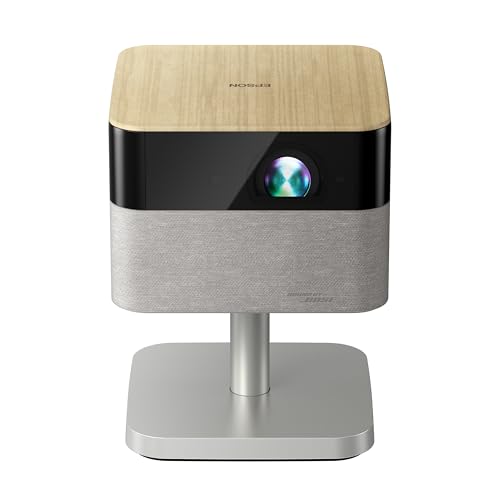
8.2/10Score
$999.99
as of Nov 9, 2026, 09:40 UTC

8.1/10Score
$1,799.00
as of Nov 9, 2026, 09:40 UTC

7.9/10Score
$467.16 $499.99 Save 7%
as of Nov 9, 2026, 09:40 UTC

7.8/10Score
$479.00
as of Nov 9, 2026, 09:40 UTC
Product prices and availability are accurate as of the date/time indicated and are subject to change. Any price and availability information displayed on Amazon.com at the time of purchase will apply to the purchase of this product.
How we rank best projectors for home?
We start with lights-on brightness, because your living room probably has a window, a lamp or a kid who flips on the hallway light mid-movie. Setup, apps and sound come next, since anyone at home should be able to start Netflix without a streaming stick or a soundbar. Picture quality decides whether films and games still look good at 100 inches. Value matters because a projector competes with a big TV. Design and build covers fan noise, throw distance and stands, so it fits your coffee table, console or ceiling. That's why the Dangbei DBOX02 is our top pick.
 Lights-On Brightness25%
Real living rooms and bedrooms rarely get fully dark, so usable brightness decides daytime sports and family nights.
Setup, Apps and Sound20%
Setup, Apps and Sound20%Auto setup, licensed Netflix and decent speakers mean anyone in the family can start a movie without help.
Picture Quality20%
Picture Quality20%Color, sharpness and contrast decide whether films and games look good on a 100 to 120-inch wall.
 Value20%
A home projector competes with a big TV, so the price has to make sense for everyday use.
 Design and Build15%
Size, fan noise, throw distance and stands decide whether it fits on a coffee table, a console or a ceiling.
Best projectors for home compared
Swipe sideways to see every spec.
| Product | Score | Resolution | Brightness | Throw | Smart OS |
|---|---|---|---|---|---|
| 10.0 | 4K UHD (pixel shift), HDR10+, HDR10, HLG, 3D | 2,450 ISO lumens (2,464 measured by Projector Central) | 1.27:1 fixed lens, 60 to 200 in (80-120 in recommended) | Google TV with licensed Netflix | |
| 9.9 | 4K UHD via pixel shift (0.47-in 1080p DLP chip) | 3,000 ANSI lumens (triple laser) | Ultra short throw, 0.22:1, 80-150 in | Google TV (US model) | |
| 9.9 | 4K via pixel shift on a 0.47-inch DLP chip | 5,700 ISO lumens (max mode) | Standard throw, 1.2-1.5:1 zoom, lens shift, 40-300 in | Google TV with built-in Netflix | |
| 9.1 | 1080p 3LCD with 4K PRO-UHD pixel shift, HDR10 and HLG | 2,800 lumens (2,875 measured by Projector Central) | Standard throw 1.32-2.15:1, 1.6x manual zoom, vertical lens shift | Android TV 11 streaming dongle with Netflix | |
| 9.0 | 4K via pixel shift on a 0.47-inch DLP chip | 1,700 ISO lumens (Upgrade Version) | Standard throw, 1.2:1, 40-200 in, no optical zoom | Google TV with built-in Netflix | |
| 8.7 | 4K UHD via 0.47-in DLP pixel shift, Dolby Vision | 1,800 ANSI lumens (LED + laser hybrid) | 1.2:1 fixed lens, no zoom; 100 in at about 8.7 ft | Google TV with licensed 4K Netflix | |
| 8.2 | 4K PRO-UHD (pixel-shift 3LCD), HDR10 and HLG | 1,000 ISO lumens (900 measured by Projector Central) | 1.2 throw, 30 to 150 in; 100 in from 8 ft 9 in | Google TV with Netflix | |
| 8.1 | 4K UHD via 0.47-in DLP pixel shift | 2,100 ISO lumens claimed, laser phosphor (ALPD) | 0.23:1 ultra short throw, 80-150 in | Google TV with native Netflix | |
| 7.9 | Native 1080p 3LCD; no 4K or HDR input | 3,000 lumens claimed; CNET measured 2,094 in Cinema mode | Standard throw up to 300 in; no optical zoom or lens shift | Bundled Android TV stick with Chromecast built in | |
| 7.8 | Native 1080p (1920 x 1080), HDR10 | 450 ISO lumens (about 400 measured by Projector Central) | 1.2:1 throw, 60 to 120 in recommended | Google TV with licensed Netflix |
1. Dangbei DBOX02 (Mars Pro 2): Best Projector for Home Overall
For most homes, this is the one to buy. It's a laser projector that really delivers its brightness, hitting 2,464 lumens in Projector Central's measurements, and it stays close to room-quiet in its Standard and Eco modes.
So picture Saturday college football with daylight pouring through the patio door. At about 80 inches, PCMag found it easily bright enough for a sunny family room with lots of windows. Google TV has licensed Netflix and Chromecast, the two 12W speakers are good enough to skip a soundbar, and two HDMI ports take a console and a cable box. Set it square to the wall, because digital keystone softens the picture. The gimbal stand is extra, and buy the DBOX02, not the separate DBOX02 Pro.
The trade-offs are real, though. Rainbow flashes show up more often than on much of the competition, out-of-box color is so-so, and High Performance mode is very loud. Why not the brighter XGIMI (#3)? It costs far more, and a room with some daylight doesn't need it. If someone at home sees rainbows, the Epson Home Cinema 2350 (#4) is safer.

Best for: Families who want one bright, easy projector for sports, films and streaming in a living room with some light.

Skip it if: Someone in your family sees rainbow flashes on DLP projectors. The Epson Home Cinema 2350 (#4) uses 3LCD and avoids them.
Pros
- Very bright: measured 2,464 lumens
- Bright enough for a sunny room at 80 inches (PCMag)
- Google TV with licensed Netflix built in
- Good built-in sound that can fill a family room
- Two HDMI inputs, one with eARC
- Quiet in Standard and Eco modes
Cons
- Frequent rainbow flashes for sensitive viewers
- Remote's settings buttons are unlabeled
- Very loud in High Performance mode
- Limited color gamut and so-so out-of-box accuracy
- Gimbal stand costs extra
Hands-on reviews behind this pick
- Projector Central
Show the verdict
Neither a bad projector nor a great one: an excellent-value, plug-and-play laser with real brightness and Google TV, but it needs better out-of-box color, wider gamut and a better menu.
- PCMag
Show the verdict
Vibrant color, good shadow detail and high contrast in a bright image with sound to match, held back by frequent rainbow artifacts, a confusing remote and early firmware quirks like 3D.
2. Hisense PX3-PRO: Best Home Projector for TV Replacers
Want a giant picture without a projector in the middle of the room? This is it. As an ultra short throw, it sits 4.7 to 18.1 inches from the wall for an 80 to 150-inch picture, per ProjectorCentral, so it lives on your TV console like a soundbar.
That pays off when the kids race across the living room mid-cartoon and nobody throws a shadow on the screen. Color is the highlight: ProjectorCentral measured about 99.8% of DCI-P3 and very accurate grayscale before calibration, and dark scenes have real depth. The 50W Harman Kardon speakers keep dialogue clear, though the Atmos effect is slight. Gamers get 14 ms of lag at 120Hz in DLP Turbo, which switches off keystone and 3D. US units run Google TV; some European ones shipped with Hisense's own VIDAA system.
Now the honest part. Bright scenes look flatter than dark ones, the fan is audible from close seats, and a very sunny room still beats it without an ALR screen, which you buy separately. Hisense has added the PX4-PRO above it, but this model is still sold new. Smaller room or budget? The Formovie Cinema Edge (#8) does the same trick for less.
Best for: Living rooms where kids and pets cross the room and the projector has to sit by the wall.
Skip it if: You want an ultra short throw for a small room on a tighter budget. The Formovie Cinema Edge (#8) costs less.
Pros
- Rich, wide-gamut color that's accurate out of the box
- Sits inches from the wall for a 100-inch-plus image
- 50W Harman Kardon sound good enough to skip a soundbar
- Dolby Vision, HDR10+, 3D and Google TV with Netflix
- Low lag at 120Hz and 240Hz for console gaming
Cons
- Bright scenes look flatter than dark ones
- Rainbow flashes can bother sensitive viewers
- Fan is audible if you sit close to it
- Needs an ALR screen to hold up in daylight
- Some picture controls barely work
Hands-on reviews behind this pick
- ProjectorCentral
Show the verdict
Arguably the best ultra short throw for its price: accurate color, strong contrast for a UST and low lag, held back only by limited brightness above 120 inches and a few dead controls.
- RTINGS
Show the verdict
A decent home theater UST: remarkable depth in dark scenes, vivid color volume and enough brightness for some room light, but bright scenes look flat and the image runs warm out of the box.
- Projector Reviews
Show the verdict
Bright, beautifully colored and well built, with the best out-of-box color the reviewer saw that year, a strong speaker system and Google TV; black levels are only average for the money.
3. XGIMI Horizon 20 Max: Best Projector for a Bright Living Room
Here's the projector for a living room that's bright most of the day. The headline is 5,700 lumens, but that mode is green and loud. What matters is about 3,300 to 3,500 lumens in Movie and Dolby Vision modes, per Projector Reviews, and that's still the most on this list.
Say the whole family is over on a holiday afternoon, the sun is on the big front window and nobody wants the curtains drawn. The picture keeps its color at 100 inches and up, with Dolby Vision and HDR10+. Placement is the other win: motorized lens shift and a 1.2 to 1.5 zoom let it sit on a bookcase in the corner and still land square, which keystone-only models can't do cleanly. In normal modes the fan is quiet, and Google TV has Netflix built in.
The catches? It costs far more than our top pick, blacks look charcoal in a dark room, and sensitive viewers may see rainbows, though RTINGS found a later firmware's Anti-RBE setting reduces them. There's one HDMI 2.1 port, no Ethernet and no 4K at 120Hz. If your room only gets some daylight, the Dangbei DBOX02 (#1) is the smarter buy.
Best for: Big living rooms with daylight where the projector has to sit on a side shelf or bookcase.
Skip it if: Your room only gets some daylight and you'd rather spend less. The Dangbei DBOX02 (#1) is bright enough.
Pros
- Measured over 5,600 lumens at peak, about 3,300 in Movie
- Real lens shift and optical zoom for flexible placement
- Very accurate color after calibration
- Dolby Vision and HDR10+ support
- Quiet fan in normal modes
- Low input lag and up to 240Hz at 1080p for gaming
Cons
- Brightest mode has a green tint and a loud fan
- Rainbow flashes visible to sensitive viewers
- Black level enhancement can pump brightness
- No 4K at 120Hz; high refresh rates are 1080p only
- Only one HDMI 2.1 port and no Ethernet
- Expensive
Hands-on reviews behind this pick
 Notebookcheck
Show the verdict
A very powerful projector with near reference picture and sound in a dark room, held back by thin connectivity and a green, noisy max mode; good value for what it does.
- RTINGS
Show the verdict
A top-tier do-it-all projector: extremely bright with deep contrast and natural color, but removing judder or color tearing forces the picture down to 1080p.
- Projector Reviews
Show the verdict
A very bright, feature-packed lifestyle projector that suits living rooms and gaming best; its charcoal blacks make it a weaker choice for a fully dark theater.
4. Epson Home Cinema 2350: Best Rainbow-Free Projector for Home
This is the safe choice for families with a rainbow-sensitive viewer. Single-chip DLP projectors can flash streaks of red, green and blue at some people, and Epson's three-chip 3LCD design can't. It's bright, too: Projector Central saw about 1,900 lumens in Cinema and Natural modes, and 2,875 in the green-tinted Dynamic mode.
Say your partner always spots color trails during bright explosions. On this one, Friday's superhero film stays clean, and gamers get lag around 18 to 19 ms. Setup is old-school, though. You get a 1.6x zoom and vertical lens shift, but focus is manual, and owners in Projector Central's user reviews say setup and picture tuning took a long time. The included Android TV dongle runs Netflix, yet it sends HDR to everything, so a Roku or Fire TV stick looks better for regular shows.
It's a 2022 lamp model, so plan on a replacement lamp someday; Epson covers the lamp for 90 days. The 10W speaker is mono, and blacks look grey in a dark room. Want auto setup and better sound for a dim den? The Epson Lifestudio Flex Plus (#7) is also rainbow-free.
Best for: Families with a rainbow-sensitive viewer, and gamers who want low lag in a living room.
Skip it if: You want auto setup and better sound for a dim room. The Epson Lifestudio Flex Plus (#7) is also rainbow-free.
Pros
- Very bright: measured above its 2,800-lumen rating
- 3LCD, so no rainbow effect
- Low input lag for gaming at 1080p/120 and 4K/60
- Zoom and vertical lens shift ease placement
- Android TV dongle runs Netflix natively
- Fairly accurate color out of the box
Cons
- Raised blacks and weak contrast in dark scenes
- Fan gets loud in the brightest lamp mode
- Dongle forces HDR and BT.2020 on SDR content
- Manual focus is hard to get exactly right
- Can't show wide, saturated HDR color
- Native 1080p chips, not true 4K
Hands-on reviews behind this pick
- Projector Central
Show the verdict
A great, well-rounded entry into 4K projection: bright, low lag and good value with lens shift and native Netflix, held back by weak black control and a dongle that oversaturates SDR.
- RTINGS
Show the verdict
Unremarkable for a home theater: blacks are raised and images look washed out, colors lack saturation and the fan gets loud, though it is impressively bright, accurate and free of rainbows.
5. JMGO N1S 4K: Best Home Projector for Renters
Renters, this is your projector. The gimbal stand is built in, so you tilt it at the wall or straight up at the ceiling and it refocuses and squares the picture on its own. At 4.4 lb with a handle, it moves between rooms in one hand.
Say you get home from a late shift and flop into bed. Tip it up, and a show plays across the ceiling while the fan stays near silent. The next night it's on the coffee table, aimed at the living room wall for friends, and contrast is excellent for the money, so dark films have real depth. Google TV has Netflix built in, and the HDMI port supports eARC if you add a soundbar later.
Here's what holds it back. RTINGS measured about 1,400 lumens on the current Upgrade Version, so it wants a dim room. Colors run oversaturated outside Movie mode, motion can look choppy with no judder removal, and RTINGS still saw rainbow flashes despite JMGO's rainbow-free claim. The two 5W speakers sound thin, and there's one HDMI. Want louder sound and Dolby Vision? The Nebula Cosmos 4K SE (#6) has both.
Best for: Renters and bedroom viewers who move one projector around and can't mount anything.
Skip it if: You want louder built-in sound and Dolby Vision. The Nebula Cosmos 4K SE (#6) is the better pick.
Pros
- Excellent contrast for its price
- Very small, light and has a carry handle
- Gimbal makes ceiling projection easy
- Incredibly quiet fan
- Google TV with built-in Netflix
- Among the cheapest 4K projectors, per CNET
Cons
- Colors oversaturated, wildly so outside Movie mode
- Visible rainbow effect despite the triple laser
- No judder removal, so motion looks choppy
- No optical zoom or lens shift
- Only one HDMI input
- Small speakers sound thin
Hands-on reviews behind this pick
- RTINGS
Show the verdict
A great budget 4K projector that punches above its price, with excellent contrast, rich color and a near-silent fan; choppy motion and some rainbow flashes hold it back.
- CNET
Show the verdict
One of the smallest, cheapest 4K projectors around, with good contrast and quiet running; color and brightness are only adequate, but the size and price make that a fair trade.
6. Nebula Cosmos 4K SE: Best Room-to-Room Projector for Families
This is the one for families who won't keep a projector in one room. It has a solid carry handle, sets itself up with autofocus, keystone and screen fit, and it's bright for its size: Projector Central measured the full 1,800 lumens in its brightest mode and about 1,300 to 1,430 in the better-looking ones.
Say one of the kids is home sick. You carry it from the living room into their bedroom, point it at the wall and start a film on licensed Netflix. Dolby Vision makes animated movies pop in a dim room, and the two 15W speakers sound loud and full. Distance sets the size, though, because there's no zoom: 100 inches needs about 8.7 feet. Game Extreme mode cuts lag to about 18 ms, but it switches off keystone.
The weak spot is contrast. TechRadar and CNET both measured about 230:1, so dark scenes look grey, and TechRadar found it struggles in daylight. It also needs a wall outlet, and audio drifted when casting from Apple devices. Care more about dark-scene depth, or want ceiling viewing? The JMGO N1S 4K (#5) has much better contrast and a built-in gimbal.
Best for: Families who carry one projector between the living room, bedroom and playroom.
Skip it if: You want deeper blacks and easy ceiling viewing. The JMGO N1S 4K (#5) has better contrast and a gimbal.
Pros
- Dolby Vision plus Google TV with Netflix
- Hit its 1,800-lumen claim in Projector Central's test
- About 18.5 ms lag in Game Extreme mode
- Full, loud built-in sound for a portable
- Carry handle and quick auto setup
Cons
- Low contrast; dark scenes look grey
- No optical zoom or lens shift
- No battery; needs a wall outlet
Hands-on reviews behind this pick
- Projector Central
Show the verdict
A versatile, solidly built portable 4K projector with good out-of-box color, real 1,800-lumen output, easy auto setup and great onboard sound; its flaws are minor. Highly Recommended.
- TechRadar
Show the verdict
Gorgeous detail, vivid Dolby Vision color and satisfying sound in a dim room, but weak contrast spoils dark scenes, daylight washes it out and screens over 60 inches need a lot of space.
- CNET
Show the verdict
Bright and colorful for the money and easy to carry between rooms, but low contrast, no zoom and a visible light halo make it better for occasional movie nights than a fixed screen.
7. Epson Lifestudio Flex Plus: Best Rainbow-Free Projector for Bedrooms
Here's the rainbow-free projector for a dim room, and it's the best-looking box on this list. Epson's 3LCD engine has no color flashes, Projector Central measured 900 lumens against its 1,000-lumen claim, and auto focus, keystone and obstacle avoidance handle setup.
So Friday's family film goes up on the den wall, sharp and natural in Cinema mode, and when it ends the Bose-tuned speakers keep the party playlist going while the built-in ambient lights glow. The stand tilts 90 degrees up, which makes ceiling viewing from bed easy, and Google TV has Netflix. It even runs from a 100 to 140W USB-C power bank. Motion smoothing ships switched on, so turn it off for films.
Daylight is its limit. TechRadar wanted blackout conditions, and PCMag settled on about 55 inches on a cloudy day. Blacks look weak in dark scenes, there's one HDMI, and there's no battery, Dolby Vision or 3D. Gamers get mixed signals: PCMag measured 20.9 ms of lag, Projector Central over 50 ms. If your room is brighter, or you game, the Epson Home Cinema 2350 (#4) is the stronger rainbow-free pick.
Best for: Families with a rainbow-sensitive viewer who want a simple projector for a dim bedroom or den.
Skip it if: Your room has more light, or you play games. The Epson Home Cinema 2350 (#4) is brighter with low lag.
Pros
- Rainbow-free 3LCD picture with sharp 4K-class detail
- Measured close to its 1,000 lumen rating
- Stand aims at walls or straight up at the ceiling
- Google TV with Netflix and loud Bose sound
- Can run from a USB-C power bank
Cons
- Only one HDMI port
- Weak black levels in dark scenes
- No battery, Dolby Vision or 3D
- Needs a dark room for its best picture
Hands-on reviews behind this pick
- Projector Central
Show the verdict
Highly Recommended: a stylish plug-and-play 4K-class projector that measured near its brightness claim, with Bose sound and Google TV for families and parties, held back by input lag and one HDMI.
- PCMag
Show the verdict
An Editors' Choice room-to-room portable: good image and brightness for the price, a rainbow-free 4K-class picture, low lag and a photo app that suits parties, though it lacks 3D and Dolby Vision.
- TechRadar
Show the verdict
A fun, stylish all-in-one with a useful stand and natural color, but brightness, contrast and sound are only average for the money, and brighter rivals from JMGO and Hisense offer more value.
8. Formovie Cinema Edge: Best Short Throw Projector for Small Rooms
This is the lower-cost route to an ultra short throw. With a 0.23:1 throw, it sits just in front of the wall and fills 80 to 150 inches, so a room too small for a long throw still gets a huge picture.
Say the only open wall faces the couch across a small room, and you mostly watch after the dishes are done. On a low bench under that wall, it puts a crisp 100-inch image up, and native contrast above 3,000:1 in Mondoprojos's lab gives night scenes depth. Three HDMI 2.1 ports, one with eARC, take a console and a soundbar. Two tips: only the front feet adjust, so the bench must be level, and set motion smoothing to Low or off.
It's a step down from the Hisense, though. Color looks drab next to triple-laser models, there's no Dolby Vision or HDR10+, Google TV feels slow, and Game mode lag sits around 47 ms. TechRadar found bright shows watchable with lights on, but sunlight was too much, and the speakers are light on bass. Want more daylight punch and better sound from the same spot? The Hisense PX3-PRO (#2) is worth the step up.
Best for: Small living rooms with no space for a long throw that will watch mostly in the evening.
Skip it if: You want daytime brightness, richer color and better sound. The Hisense PX3-PRO (#2) is worth the step up.
Pros
- Sits inches from the wall for a 100-inch-plus picture
- Google TV with native Netflix built in
- Strong native contrast for an affordable UST
- Three HDMI 2.1 inputs, one with eARC
- Deep picture controls for calibration
Cons
- No Dolby Vision or HDR10+
- Narrower color than triple-laser rivals
- Sluggish Google TV and pushy default motion smoothing
Hands-on reviews behind this pick
- TechRadar
Show the verdict
A compact, affordable UST that throws a big, sharp 4K image that shines in the dark, but limited HDR, narrower color, pushy motion smoothing and so-so speakers hold it back from rivals.
- Mondoprojos
Show the verdict
A disappointment: welcome Google TV, Netflix and full calibration tools, but low measured brightness, a soft image for DLP, fan buzz, poor default color and weak HDMI HDR handling.
9. Epson EpiqVision Flex CO-FH02: Best Cheap Projector for Family Rooms
On a tight budget, this is the bright one. CNET measured 2,094 lumens in its fairly accurate Cinema mode and 3,261 in Dynamic, and because it's 3LCD there's no rainbow effect for sensitive eyes.
So picture a backyard birthday party film at dusk with the porch light still on. The picture holds up, color looks natural, and the 5.7 lb body carries out to the yard and back easily. Auto vertical keystone squares the image, and the box includes an Android TV stick with Chromecast, its own remote and an HDMI cable. That stick plugs into the only HDMI port, though, so adding a game console means swapping cables.
The compromises add up. It's 1080p with no 4K or HDR input, blacks look grey next to a DLP rival, and lag of 50 to 80 ms suits only casual games. The 5W speaker is weak, there's no wired audio out, and the lamp will need replacing someday. Epson's own store has shown it out of stock, so it may not stay around. If you can stretch, the Dangbei DBOX02 (#1) adds 4K, two HDMI ports and much better sound.
Best for: Budget families who need a bright, rainbow-free picture more than gaming speed or deep blacks.
Skip it if: You want 4K, two HDMI ports and sound that skips a soundbar. The Dangbei DBOX02 (#1) is worth stretching for.
Pros
- Exceptionally bright, over 2,000 measured lumens
- Works in rooms with some light on
- Natural color for a budget projector
- Full Android TV apps on the bundled stick
- Compact 5.7 lb body that fits in a backpack
- Auto vertical keystone works well
Cons
- Washed-out blacks and modest contrast
- High input lag, 50 to 80 ms measured
- One HDMI port, used by the streaming stick
- No wired audio output, Bluetooth only
- No optical zoom, lens shift or auto focus
- Lamp light source; fan blows heat into the room
Hands-on reviews behind this pick
 Expert Reviews
Show the verdict
A good, practical budget projector with bright, vibrant images, easy setup and a worthwhile streaming stick, though weak sound and one hidden HDMI rule it out for gamers and home cinema fans.
- CNET
Show the verdict
A muscle car of a projector: cheap and astonishingly bright, but washed out with mediocre contrast. For big backyard movie nights on a small budget it is a decent, stupendously bright win.
- TechGearLab
Show the verdict
An entry-level cinema projector with smart features at a fair price: strong contrast and good picture for the money, but high input lag, few ports and washed-out color keep it away from gamers.
10. XGIMI MoGo 4: Best Battery Projector for a Second Room
Already have a living room projector and want a small one for the rest of the house? This is the one we'd add. It's 2.9 lb, has a built-in battery and a 360-degree stand, and Google TV runs licensed Netflix, so it works from a bedside table or a patio chair.
Say the kids are asleep and you want a late drama in the spare room. Aim it at the ceiling, let the quick auto focus and keystone square things up, and keep the volume low; the fan stays near room level in Standard and Eco. When you do turn it up, the Harman Kardon speakers sound loud and punchy for the size. Game mode lag of about 22 ms is fine for casual play.
Darkness is the deal, though. Projector Central measured about 400 lumens, so it's a night or dark-room projector only. Battery runs about two hours of video and under an hour at full brightness, though the optional PowerBase Stand stretches it. This is the LED MoGo 4, not the brighter Laser version. Want a sharper, brighter projector that still moves easily? The JMGO N1S 4K (#5) is the one.
Best for: Households that want a second, portable projector for bedrooms and the patio.
Skip it if: You want a brighter 4K projector that still moves room to room. The JMGO N1S 4K (#5) is the better pick.
Pros
- Tiny 360-degree stand aims at walls or the ceiling
- Google TV with licensed Netflix built in
- Loud, full sound for its size
- Quick auto focus and keystone setup
Cons
- Dim: best in a dark room, not daylight
- About 2 hours of video on battery, less when bright
- Weak black levels and contrast in dark scenes
Hands-on reviews behind this pick
- Expert Reviews
Show the verdict
A smart refinement of the MoGo 3 Pro: richer sound, a built-in battery and the best picture yet from so small a unit, though dark scenes lack contrast and it is no daylight projector.
 9to5Google
Show the verdict
Not groundbreaking, but it nails the basics: a big, decent picture almost anywhere with fast setup and Google TV. Battery life and brightness are modest, so plan to stay near power.
- Projector Central
Show the verdict
A stylish, very portable lifestyle projector with good battery life and excellent audio for its size, with near-accurate color, though mirroring is weak and it wants a darkened room.
Best projectors for home buying guide for 2027
How bright should a home projector be for a living room with daylight?
Brighter than most people expect, so judge the measured figure in a good-looking mode, not the box. For a living room with some daylight, we'd want about 2,000 lumens or more in normal viewing. The Dangbei DBOX02 measured 2,464 at peak and about 2,250 in Standard, and the XGIMI Horizon 20 Max holds about 3,300 to 3,500 in Movie mode, the most here.
Here's the trap: the brightest mode on several picks here, including the XGIMI, the Nebula Cosmos 4K SE and the Epson Home Cinema 2350, has a green tint, so the headline number isn't what you'll really watch. Screen size matters too, because the same light spread over 120 inches looks dimmer than at 80. At about 1,000 lumens or less, like the Epson Lifestudio Flex Plus or XGIMI MoGo 4, plan on dimming the room. If you mostly watch at night in a space you can black out, see sharper 4K models for a dedicated room.
Short throw or ultra short throw: which projector fits a small living room?
If your couch sits close to the opposite wall, an ultra short throw fits better. It sits on your console just inches from the wall: the Hisense PX3-PRO puts 80 to 150 inches up from 4.7 to 18.1 inches away, and the Formovie Cinema Edge does the same with a 0.23:1 throw. Nobody walks through the beam, and there's nothing to mount on the ceiling.
A standard throw needs room behind it. With a fixed 1.2:1 lens like the Nebula Cosmos 4K SE's, 100 inches takes about 8.7 feet, and with no zoom you move the projector to change the size. Lens shift and zoom, on the XGIMI Horizon 20 Max and Epson Home Cinema 2350, let a long throw sit on a shelf off to one side. The catch with ultra short throws: the Formovie needs a level console because only its front feet adjust, and the Hisense needs an ALR screen, bought separately, to hold up in daylight.
Can a home projector be used on the ceiling or without mounting?
Yes, and some are built for it. The JMGO N1S 4K has a gimbal that tilts straight up, the XGIMI MoGo 4 has a 360-degree stand, and the Epson Lifestudio Flex Plus tilts 90 degrees up. All three refocus and square the picture themselves, so you don't need a drill, a mount or your landlord's blessing.
For renters, the coffee table becomes the mount. Remember that distance sets size, so the short gap between your bed and the ceiling gives a smaller picture, which suits bedroom viewing anyway. Bigger models like the Dangbei DBOX02 need its optional gimbal stand to aim upward, and Epson doesn't support ceiling mounting for the Flex Plus, only tilting it. If you'd like a cheaper projector to move around the house, browse home-ready projectors that cost less.
Which home projectors avoid the DLP rainbow effect?
The 3LCD models on this list do: the Epson Home Cinema 2350, Epson Lifestudio Flex Plus and Epson EpiqVision Flex CO-FH02. The rainbow effect is a single-chip DLP issue, where sensitive viewers see brief red, green and blue fringes in bright or fast scenes, and Epson's 3LCD design doesn't produce it.
It only bothers sensitive viewers, so you don't need to avoid DLP just in case. But if someone at home has seen it before, take it seriously. Rainbow flashes were reported on the Dangbei DBOX02, Hisense PX3-PRO and XGIMI Horizon 20 Max, and RTINGS saw them on the JMGO N1S 4K despite a rainbow-free claim. On the XGIMI, a newer firmware's Anti-RBE setting reduces them. For DLP and LCD options at every budget, see our complete projector shortlist.
Is a home projector's built-in sound good enough without a soundbar?
On the right pick, yes. The Hisense PX3-PRO's 50W Harman Kardon system has clear dialogue and enough bass for most living rooms, and the Dangbei DBOX02's two 12W speakers can fill a family room on their own. The Nebula Cosmos 4K SE and XGIMI MoGo 4 sound loud and full for their size, and the Epson Lifestudio Flex Plus has Bose-tuned speakers.
The weak ones are the Epson Home Cinema 2350's 10W mono speaker and the CO-FH02's 5W speaker, which has no wired audio out, only Bluetooth. If you'll add a soundbar later, look for HDMI eARC: the DBOX02, Formovie Cinema Edge, JMGO N1S 4K, Nebula Cosmos 4K SE and Flex Plus all have it, and the 2350 has ARC.
Best projectors for home: frequently asked questions
What is the best projector for home use?
For most homes, the Dangbei DBOX02. It's bright enough for a living room with some daylight, runs Google TV with licensed Netflix and has speakers good enough to skip a soundbar. If your projector has to sit by the wall, get the Hisense PX3-PRO. If someone at home sees rainbow flashes, get the Epson Home Cinema 2350.
Can a home projector replace a TV?
Yes, if you pick one built like a TV. The Hisense PX3-PRO sits inches from the wall on your console, has Google TV with Netflix and 50W of sound, and gives you 80 to 150 inches. Add an ALR screen if your room gets daylight. For less, the Dangbei DBOX02 does the job from a shelf or table.
How far does a projector need to be from the wall?
It depends on the throw ratio. A 1.2:1 lens, like the Nebula Cosmos 4K SE's, needs about 8.7 feet for a 100-inch picture. An ultra short throw needs only inches: the Hisense PX3-PRO sits 4.7 to 18.1 inches from the wall for 80 to 150 inches. Short on space? Get the Hisense, or the Formovie Cinema Edge for less.
Do I need a dark room for a home projector?
Not with a bright one. The Dangbei DBOX02 stays bright enough for an 80-inch picture in a sunny room, and the XGIMI Horizon 20 Max keeps about 3,300 lumens in Movie mode for bigger, brighter rooms. Dimmer models like the JMGO N1S 4K, Epson Lifestudio Flex Plus and XGIMI MoGo 4 look best with the lights off.
Do home projectors need a soundbar?
Not always. The Hisense PX3-PRO's 50W Harman Kardon speakers and the Dangbei DBOX02's two 12W speakers are strong enough for most living rooms. Projectors with small speakers, like the Epson Home Cinema 2350 and EpiqVision Flex CO-FH02, sound much better with one. For movie nights without extra gear, buy the Dangbei.

