
The 8 Best Drones for Real Estate Photography in 2027
A blown-out sky or dark porch can sink a listing photo. We compared 24 expert reviews to rank the best drones for real estate photography. Pick yours.

Affiliate Disclosure: As an Amazon Associate, we may earn a commission from qualifying purchases, and it never changes our picks.
Our picks at a glance

10.0/10Score

$1,099.00
as of Nov 26, 2026, 12:46 UTC

9.6/10Score
$759.00
as of Nov 26, 2026, 12:46 UTC

9.6/10Score
$2,538.00 $2,899.00 Save 12%
as of Nov 26, 2026, 12:46 UTC

9.1/10Score
$479.00 $529.00 Save 9%
as of Nov 26, 2026, 12:46 UTC

9.1/10Score
Currently out of stock at Amazon.
View on Amazon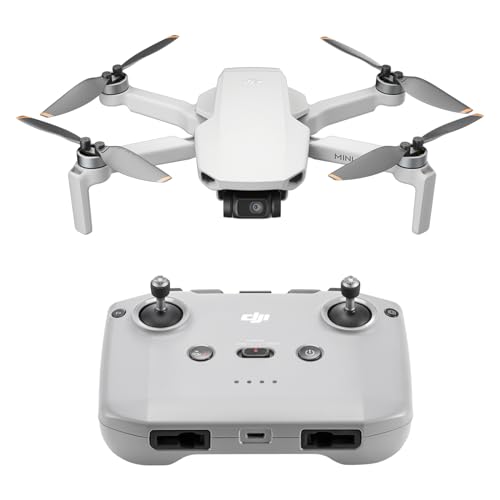
7.9/10Score
$299.00
as of Nov 26, 2026, 12:46 UTC

7.5/10Score
$299.99 $319.99 Save 6%
as of Nov 26, 2026, 12:46 UTC

7.2/10Score
$215.99 $259.99 Save 17%
as of Nov 26, 2026, 12:46 UTC
Black Friday Deal
Product prices and availability are accurate as of the date/time indicated and are subject to change. Any price and availability information displayed on Amazon.com at the time of purchase will apply to the purchase of this product.
How we rank best drones for real estate photography?
We rank first by image quality, because a listing photo has to hold a bright sky and a shaded porch in one frame. Safety and sensing come next, since you fly close to rooflines, trees and power lines. Value matters for a business tool that has to pay for itself. Flight time and wind decide whether you finish a property on one battery, and design and build cover how the drone travels from showing to showing.
Image Quality30%
Listing shots must hold a bright sky and shaded eaves together, which takes a big sensor and good color.
Safety and Sensing20%
Property work means flying near rooflines, trees and wires, where sensing prevents costly crashes.
Value20%
A business drone has to earn back its cost in listings, so price must match the work you shoot.
Flight Time and Wind15%
Finishing a whole property on one or two batteries keeps a shoot quick and passes consistent.
Design and Build15%
A drone that folds small and survives daily handling comes to every showing, not just the big ones.
Best drones for real estate photography compared
Swipe sideways to see every spec.
| Product | Score | Camera | Flight Time | Range | Weight |
|---|---|---|---|---|---|
| 10.0 | 1-inch 50MP wide + 48MP 70mm tele; 4K up to 120fps, D-Log M | 45 min (maker rating) | 20 km max transmission (FCC) | 724 g (over 250 g, FAA registration needed) | |
| 9.6 | 1-inch 50MP; 4K up to 120fps, 10-bit D-Log M and HLG | 36 min (standard battery), 52 min (Plus battery) | 20 km max transmission (FCC) | 249.9 g rated, units often weigh 252 g; Plus battery over 250 g | |
| 9.6 | 4/3 100MP main + 70mm + 168mm tele; 6K/60fps, 4K/120fps | 51 min (maker rating), 45 min hover | 30 km max transmission (FCC) | 1,063 g (over 250 g, FAA registration needed) | |
| 9.1 | 1/1.3-inch f/1.7, 4K/60fps (4K/100 slow-mo), 48MP, 3-axis | Up to 32 min claimed; about 27.5 min in a cruise test | Up to 15 km claimed (SkyBridge) | Under 250 g (248 g measured by 51 Drones) | |
| 9.1 | 1/1.3-inch 48MP sensor, 4K up to 60fps (100fps slow-mo), 3-axis | Up to 31 min claimed; about 27 min in reviewer tests | Up to 13 km (FCC) with remote; about 50 m on phone Wi-Fi | Under 249g | |
| 7.9 | 12MP; 4K up to 30fps, 2.7K up to 60fps, normal color only | 31 min (maker rating) | 10 km max transmission | Under 249 g (no FAA registration for recreational flying) | |
| 7.5 | 1/2-inch 48MP sensor, 4K/30fps HDR video | Up to 32 min claimed; about 20-22 min in reviewer tests | Up to 10 km (FCC) via PixSync 4.0 | Under 249g | |
| 7.2 | 1/2.3-inch 48MP Sony sensor, 4K/30fps, 3-axis gimbal | Up to 30 min claimed; about 22 min in TechRadar's windy tests | Up to 6 km claimed (3 km at 2024 launch) | 249g |
1. DJI Air 3S (RC-N3): Best Real Estate Drone Overall
The Air 3S is the real estate drone we'd buy first, because it gets a whole listing done without compromise. The 1-inch main camera has the dynamic range to hold a bright sky and a shaded porch in the same frame, and the 70mm tele, color-matched to it, lets you frame a house tight against the lake behind it.
Say you're shooting a lakefront cabin listing in Michigan at 4 p.m. One battery covers the wide establishing orbit, a tele pass from across the water and a few reveal shots, since real flights run 30 to 38 minutes. It holds position in sustained 20 mph wind, so repeated passes line up in the edit. LiDAR makes a dusk twilight shot safer.
But LiDAR only faces forward, and owners mention soft fine detail and a lower bitrate on the main camera, plus a few gimbal and battery faults. So would we buy it? For most agents and photographers, yes. For a lighter kit, the Mini 5 Pro (#2) shares the 1-inch sensor.
Best for: Real estate photographers and agents who shoot listings every week and want one do-it-all drone.
Skip it if: You want the lightest possible kit. The DJI Mini 5 Pro (#2) is the better pick.
Pros
- 1-inch main camera with excellent dynamic range
- 70mm tele camera matched closely to the main camera
- Real 30-38 minute flights per battery
- Steady in 20 mph wind where minis struggle
- LiDAR makes dusk and night returns safer
- 42 GB internal storage
Cons
- Over 250 g, so registration and more rules apply
- Video capped at 4K; no 5K or higher mode
- LiDAR faces forward only
- Fixed apertures mean swapping ND filters often
- Small branches can still clip the props
Hands-on reviews behind this pick
- Amateur Photographer
Show the verdict
An excellent mid-range drone that bridges lightweight and premium models, with a versatile dual camera, strong safety features and impressive video and stills; flare can creep in on sunny days.
- DroneXL
Show the verdict
The best drone the reviewer owns, smooth to fly and close to Mavic 3 Pro footage, though the 4K cap, a lower measured bitrate and shorter flights than the Air 3 keep it from perfect.
- The Drone Girl
Show the verdict
A confident, stable drone built for people who fly often, with standout low-light images and strong wind handling; the screen controller combo is the setup she recommends for nearly everyone.
2. DJI Mini 5 Pro: Best Compact Real Estate Drone
The Mini 5 Pro is our pick if you want a 1-inch camera you'll actually bring to every showing. It's far smaller than the Air 3S, yet the sensor gives the clean dynamic range listing photos need, and 10-bit color holds up when you grade.
Picture a craftsman bungalow in Portland on a gray morning, with mature trees on both sides. Omnidirectional sensing and forward LiDAR help as you rise past the branches, and true vertical mode means the clip is ready for the agent's Instagram without cropping. ActiveTrack is quicker and more reliable than on the Mini 4 Pro.
There are trade-offs. Real flights run 20 to 25 minutes, sensors can miss thin bare branches, and it bounces in strong wind. Owners keep weighing it at 252 to 253 g, though for paid work you register under Part 107 anyway. So would we buy it? For a compact kit, yes. For longer flights and a tele lens, the Air 3S (#1) wins.
Best for: Agents and photographers who want a 1-inch camera in the most portable drone.
Skip it if: You need long flights and a tele lens. The DJI Air 3S (#1) is the better pick.
Pros
- 1-inch sensor gives clean low-light footage for its size
- Omnidirectional sensing plus LiDAR works in low light
- True vertical shooting with full gimbal tilt
- 42 GB internal storage if you forget a card
- Faster, more reliable ActiveTrack than the Mini 4 Pro
- Survives minor crashes with only broken props
Cons
- Most units weigh just over 250 g despite the marketing
- Real flight time 20-25 min, far below the rating
- Footage bounces in strong wind at this weight
- Sensors can miss thin bare branches
- Hard to get in the US; Amazon stock is third-party
Hands-on reviews behind this pick
- DroneXL
Show the verdict
A fantastic travel and creator drone whose 1-inch camera, LiDAR and wind handling impress, but real flights of 20-25 minutes and units weighing over 250 g are caveats to plan around.
- Potato Jet
Show the verdict
Improves on an already great mini drone in every way: better camera, faster flight, stronger obstacle avoidance and longer real flights; the main complaint is how hard it is to get in the US.
- Lenny Marti
Show the verdict
After a month of daily road-trip flying, the best mini DJI has made: image quality that is genuinely good, tough and dependable, with only its true weight and stiff ND filters to grumble about.
3. DJI Mavic 4 Pro (Fly More Combo, DJI RC 2): Best Real Estate Drone for Luxury Listings
For luxury listings, the Mavic 4 Pro is the drone that matches the price of the home. Digital Camera World's lab found its 4/3 main camera out-resolved a Sony A7R V, so you can crop a facade detail from a wide shot.
Imagine a hillside estate in Napa with a long driveway and vineyard views. You fly a wide reveal at 28mm, then switch to the 70mm and 168mm cameras to compress the house against the hills. Real flights run 39 to 43 minutes, and DroneXL saw stable video in 35 mph gusts. The gimbal also rotates for vertical shots.
It's a big investment, though. At 1,063 g it's a heavy drone to carry, and DJI paused its US launch, so you buy and service through third parties. A small group of owners report gimbal vibration within months. So would we buy it? For high-end property, yes. For everyday listings, the Air 3S (#1) is the smarter buy.
Best for: Photographers who shoot luxury homes and large estates and want the best image quality.
Skip it if: You shoot everyday suburban listings. The DJI Air 3S (#1) is the better pick.
Pros
- Main camera out-resolved a Sony A7R V in lab tests
- 6K/60 video with full D-Log
- Real 39-43 minute flights per battery
- Rock steady in strong wind
- Three focal lengths from 28mm to 168mm
- Gimbal rotates for vertical and rolling shots
Cons
- Heavy and large; registration and stricter rules apply
- Tele cameras look softer than the main camera
- Never launched in the US; third-party listings only
- 4K/120 slow motion crops the main sensor
- ALL-I codec only on the 512GB Creator Combo
Hands-on reviews behind this pick
- Digital Camera World
Show the verdict
An exceptional, reliable flagship whose three cameras feel like a pro camera that flies; lab tests put its stills ahead of top mirrorless bodies, with only early-firmware file glitches to report.
- Amateur Photographer
Show the verdict
A major upgrade for the Mavic line: stable, fast and easy to fly, with a 100MP camera and rotating gimbal that open new shots, aimed at enthusiasts and pros who want to avoid heavier rigs.
- DroneXL
Show the verdict
Lives up to the hype in hands-on tests: the best flight-time percentage the reviewer has seen from DJI, flawless handling in strong gusts, and obstacle sensing that stopped for a thin stalk at night.
4. Skyrover X1 (Fly More Combo): Best Non-DJI Real Estate Drone
The Skyrover X1 is the real estate drone we'd pick if you'd rather not depend on DJI. Its 1/1.3-inch camera matched the Mini 4 Pro for dynamic range and low light in side-by-side tests, and the maker now lists SR-Log and 10-bit HLG for grading.
Think of a suburban colonial in Ohio with a deep front porch. The upward-tilting gimbal frames the entry from a low angle, and omnidirectional sensing brakes as you drift toward the gutters. About 27.5 minutes in a cruise test means a full exterior set per battery, and true vertical shooting covers social clips.
But the app has no airspace map, so you'll check controlled airspace and Part 107 limits yourself, and there's no internal storage. The shell is thinner than DJI's, and the brand's background is murky. So would we buy it? For a careful pro who wants a DJI alternative, yes. For built-in airspace data and a proven brand, the Mini 5 Pro (#2) is safer.
Best for: Photographers who want a capable non-DJI drone for routine listing work.
Skip it if: You want airspace warnings and a known brand. The DJI Mini 5 Pro (#2) is the better pick.
Pros
- Image quality matches the DJI Mini 4 Pro side by side
- Omnidirectional obstacle sensing that brakes reliably
- Strong flight time: about 27.5 min in a cruise test
- Sub-250 g: no FAA registration or Remote ID for hobby use
- Upward-tilting gimbal and true vertical shooting
- Guided first-flight tutorial helps beginners
Cons
- No internal storage: forget the card, no footage
- Some phantom rear-obstacle alerts reported in testing
- Thin shell with exposed electronics in the battery bay
- No airspace or no-fly-zone map in the app
- Phone-holder controller; screen controller costs more
- Brand origin and long-term support are unclear
Hands-on reviews behind this pick
- The Drone Girl
Show the verdict
Photos and video match similar DJI drones and the tutorial suits beginners, but a gapped shell, exposed electronics, ghost sensor alerts and no airspace map make it a fair-weather pick.
- DroneXL
Show the verdict
A reviewer who bought his own calls it about as close to a DJI Mini 4 Pro as you can get: great camera, best-ever flight-time test result and sub-250 g, though it lacks waypoints and onboard storage.
- QuickAssTutorials
Show the verdict
Side by side with a Mini 4 Pro, dynamic range, exposure and low light look the same and range and obstacle braking are solid; the gaps are no D-Log M, stiff default controls and basic hyperlapse.
5. DJI Flip (RC-N3): Best Real Estate Drone for Tight Lots
The Flip is our pick for tight lots where a bump is the biggest risk. Its props sit inside full guards, so a low pass along a row of townhouses or a fly-up between two garages is far less nerve-racking.
Picture a Philadelphia rowhouse listing with power lines across the street and neighbors close on both sides. You fly a slow, low rise up the facade, and if the wind nudges it toward the brick, the guard takes the touch. The camera matched the Mini 4 Pro side by side, and 10-bit D-Log M gives room for color correction.
The limits are wind and sensing. The guards catch air, so it struggles in gusts, and its sensing faces forward only. A microSD card is close to essential, with only 2GB inside. So would we buy it? For city lots on calm days, yes. For open properties in wind, the Air 3S (#1) is far steadier.
Best for: Agents who shoot townhouses and tight urban lots where bumps are likely.
Skip it if: You shoot open, windy properties. The DJI Air 3S (#1) is the better pick.
Pros
- Sharp, smooth 4K with 10-bit D-Log M
- Full built-in prop guards for people-safe flying
- About 27 minutes of real flight per battery
- Fold-out arms power it on and off instantly
- Controller-free follow mode and quickshots
Cons
- Forward-only sensing; off during smart tracking
- Struggles in wind because of the prop guards
- Bulkier to pack than a DJI Mini
- Gimbal broke in one reviewer's minor crash
- Not compatible with DJI goggles or Motion 3
Hands-on reviews behind this pick
 Engadget
Show the verdict
A bold new direction and one of the most useful creator drones, with sharp 4K, guarded props and long flights, but weak in wind and short on obstacle sensing in smart modes.
- Fstoppers
Show the verdict
A no-brainer for beginners and casual flyers who want easy flying and smart features, with reliable tracking and a great live feed, though wind and image-quality buyers should look up.
- DroneXL
Show the verdict
A harsh take from DC Rainmaker: tracking is so-so and slow, obstacle avoidance is useless in practice, and a minor crash in the woods broke the gimbal and ended the test.
6. DJI Mini 4K: Best Cheap Real Estate Drone for New Agents
The Mini 4K is our pick for a new agent testing whether drone shots sell homes. It's DJI's simplest drone, but a 3-axis gimbal and steady GPS hover cover the basics: a smooth approach, an overhead of the lot and a pull-back reveal.
Imagine a new-build subdivision in Texas on a clear afternoon. You hover straight above the lot to show its shape, then fly a slow rise from the curb. Out-of-camera color is punchy, so the clips need little editing, and QuickShots handle a circle or dronie.
The limits show quickly in real estate work. There's no log or HDR, so a bright sky over a dark roof is hard to balance, in-camera sharpening can't be turned down, and footage turns noisy at twilight. It has no obstacle sensing, and owners' top complaint is crashing into trees. So would we buy it? To start out, yes. Once listings depend on it, step up to the Mini 5 Pro (#2).
Best for: New agents who want smooth daylight exteriors before investing in a better camera.
Skip it if: You shoot twilight or high-contrast exteriors. The DJI Mini 5 Pro (#2) is the better pick.
Pros
- Cheapest way into stabilized 4K from DJI
- Under 249 g, so no registration for recreational flying
- Solid real range: 2.1 km over open sea in one test
- Easy QuickShots for automated moves
- Real controller included, not phone-only
- Good out-of-camera color for beginners
Cons
- No obstacle avoidance, so trees are a real risk
- No ActiveTrack or follow-me
- No D-Log or HDR, and noisy at blue hour
- Gimbal limited in Sport mode and heavy headwind
- Real flights of 20-25 minutes
- Needs your phone as the screen
Hands-on reviews behind this pick
- DroneXL
Show the verdict
A solid little drone for capturing good photos and footage with minimal fuss, ideal for beginners; no obstacle avoidance, no ActiveTrack and no log profile are fair trade-offs at its price.
- Matty DC Collins
Show the verdict
Still an easy first-drone recommendation in 2026 for daylight shooting: real 4K, good RAW photos and long range, with no collision sensors, no log and a small sensor as the honest trade-offs.
7. Potensic Atom 2 (Standard Kit): Best Budget Non-DJI Drone for Listings
The Atom 2 is our pick for a budget agent who wants to avoid DJI. It's steady in wind, so an overhead of the lot comes out level, and its build survived hard crashes in reviews.
Say you're shooting a rural acreage listing in Kentucky. You fly the property line, hover high to show the barn and pond, and AI quickshots like Dolly Zoom add a little drama. It has no DJI-style no-fly-zone locks, which makes your own airspace check before every flight all the more important.
The camera is the weak point for this job. The Drone Girl found blown exposure and an over-sharpened look in bright sun, so plan shoots for softer light. There's no obstacle avoidance, real flights run about 20 to 22 minutes, and Android owners report disconnects and failed updates. So would we buy it? On a tight budget, yes. For better images, the Skyrover X1 (#4) is the non-DJI step up.
Best for: Budget agents who want a non-DJI drone for simple exterior and lot shots.
Skip it if: You want listing-grade images. The Skyrover X1 (#4) is the better pick.
Pros
- Steady, stable flight that holds position in wind
- Beginner Mode on by default with in-app tutorials
- Solid build that survived hard crashes
- Fun AI tracking and quickshots like Dolly Zoom
- No DJI-style no-fly-zone locks
Cons
- No obstacle avoidance at all
- About 20-22 minutes per battery, not 32
- Over-sharpened, washed-out video in bright sun
- Overheat warning after an 11-minute summer flight
- Some owners report app and connection glitches
Hands-on reviews behind this pick
- The Drone Girl
Show the verdict
A tale of two drones: a well-built, steady airframe with a strong controller and beginner-friendly app, let down by a camera that washes out in sun; buy it to fly, not for footage.
- Fstoppers
Show the verdict
A capable, budget-friendly entry into the sub-249g class that holds steady in wind and tracks well, fine for casual creators and travelers but no replacement for high-end drones.
- TechSource
Show the verdict
The perfect beginner drone in the compact budget class, with 4K HDR, 8K stills and fun AI modes for the money, though obstacle detection is missed when running quickshots.
8. Holy Stone HS900 (Sirius): Best Holy Stone Drone for Listing Photos
The HS900 is our pick for an agent who wants a gimbal drone at the lowest cost outside DJI. Its 48MP Sony sensor sits on a true 3-axis gimbal, and full manual control lets you set exposure for a bright sky.
Picture a ranch listing in Montana with wind coming off the hills. TechRadar's flights handled 22 mph gusts, so a slow pass over the barn stays steady, and Cruise Control holds a smooth line while you frame. The battery charges in the drone over USB-C in just over an hour.
But it's missing tools real estate work leans on. There's no histogram and no exposure bracketing, so balancing a bright sky against a dark roof is guesswork, and white balance presets are off. There's no obstacle avoidance, and real flights run about 22 minutes. So would we buy it? For simple exteriors on a budget, yes. For proper listing images, the Mini 5 Pro (#2) is worth the step up.
Best for: Budget agents who want smooth exterior video and manual exposure control.
Skip it if: You need accurate color and exposure tools. The DJI Mini 5 Pro (#2) is the better pick.
Pros
- Real 3-axis gimbal keeps 4K video smooth
- Handled 22mph gusts in testing
- Full manual camera control from app and controller
- Follow Me, Cruise Control and time-lapse included
- Under 250g, so no FAA registration for hobby flying
- Solid build and a carry bag in the box
Cons
- No obstacle avoidance
- Real flight time nearer 22 min than 30
- White balance presets are off
- Subject tracking loses targets at times
- No histogram or exposure bracketing
- Account sign-up required in the app
Hands-on reviews behind this pick
- TechRadar
Show the verdict
Holy Stone's best drone yet: well made, very good if not perfect image quality, solid flight and step-up features like tracking and cruise control, but no obstacle sensing and average flight times.
- Digital Camera World
Show the verdict
A strong mid-range sub-250g drone with features its direct rivals lack and very good photos and video, held back by quirky white balance, no histogram and no obstacle avoidance. Great for beginners.
- Half Chrome
Show the verdict
Called it the best drone Holy Stone sells: a real 3-axis gimbal, solid 4K camera and decent range that held up on a windy day, with a usable Follow Me, though account setup was a pain.
Best drones for real estate photography buying guide for 2027
Do you need a license to fly a drone for real estate photos?
Yes. Real estate shots for a listing are work, and the FAA puts work flying under Part 107. That means passing the knowledge test for a Remote Pilot Certificate, which requires you to be at least 16, and registering the drone. The FAA adds that a drone needing a registration number must also broadcast Remote ID.
The drone's weight doesn't change that. The sub-250 g picks here, like the Flip (#5), Skyrover X1 (#4) and Mini 4K (#6), still need the certificate and registration when you fly for a client. If you also fly for fun on weekends, our guide to light drones that stay under the 250 g line covers the recreational rules.
What camera does a real estate drone need?
A large sensor with good dynamic range matters more than resolution. Exteriors pair bright skies with shaded porches and dark roofs, and a small sensor loses one or the other.
The Mavic 4 Pro's (#3) 4/3 sensor is the best here, and the Air 3S (#1) and Mini 5 Pro (#2) carry 1-inch sensors. The Skyrover X1 (#4) and Flip (#5) use smaller sensors that still matched the Mini 4 Pro. The Mini 4K (#6) has no log or HDR, and the HS900 (#8) has no histogram or exposure bracketing, so tricky skies are harder. A tele lens also helps: the Air 3S's 70mm compresses a home against its view, which is why it leads this list.
Is obstacle avoidance important for real estate drone work?
Yes, because you fly close to things. Rooflines, gutters, trees and power lines are the usual hazards on a property shoot, and a crash in front of a client costs more than the drone.
The Mini 5 Pro (#2) has omnidirectional sensing with forward LiDAR, and the Skyrover X1 (#4) brakes reliably with omnidirectional sensors. The Air 3S (#1) and Mavic 4 Pro (#3) pair all-round vision with forward LiDAR. The Flip (#5) relies on guards and forward sensing. The Mini 4K (#6), Atom 2 (#7) and HS900 (#8) have none, so keep them in open space. Even good sensors can miss thin bare branches and wires, so fly the first pass slowly.
How long does a real estate drone battery last on a shoot?
Long enough for one property on the bigger drones, and about half of one on the minis. Real flights fall well short of the box, so plan on spares.
The Mavic 4 Pro (#3) gave 39 to 43 real minutes and the Air 3S (#1) 30 to 38, enough for a full exterior set. The Skyrover X1 (#4) did about 27.5 in a cruise test and the Flip (#5) about 27. The Mini 5 Pro (#2) runs 20 to 25 minutes, and the Mini 4K (#6), Atom 2 (#7) and HS900 (#8) about 20 to 22. A three-battery kit means you can finish a listing and still have one for a twilight shot.
Should you start with a cheap drone for real estate?
Only to learn and test the market. A cheap drone teaches you flying and framing without risking much, but its images may not match what agents expect from paid work.
The Mini 4K (#6) and Atom 2 (#7) are the cheapest here, and our list of low-cost camera drones under $300 has more. If you're new to flying, practice on easy first camera drones before your first client. Once drone shots sell listings for you, the Air 3S (#1) or Mini 5 Pro (#2) pays off. For a pick for every job, see the drones we rank highest for every job.
Best drones for real estate photography: frequently asked questions
What is the best drone for real estate photography?
The DJI Air 3S is our pick. Its 1-inch main camera holds bright skies and shaded porches together, its 70mm tele frames a home against its view, and real flights run 30 to 38 minutes. It weighs 724 g, so it's registered. For a smaller kit with a 1-inch sensor, get the Mini 5 Pro.
Do I need a Part 107 license for real estate drone photos?
Yes. The FAA puts work flying under Part 107, which means passing the knowledge test for a Remote Pilot Certificate and registering any drone under 55 pounds. A registered drone must also broadcast Remote ID. That applies to every pick here, including the sub-250 g DJI Flip and Mini 4K.
Is the DJI Mini 5 Pro good enough for real estate?
Yes. Its 1-inch 50MP sensor gives the dynamic range listings need, true vertical shooting handles Reels, and omnidirectional sensing with LiDAR helps near rooflines. Real flights run 20 to 25 minutes, so bring spares. For longer flights and a tele lens, the DJI Air 3S is the step up.
What is the best cheap drone for real estate?
The DJI Mini 4K. Its 3-axis gimbal and steady GPS hover handle smooth daylight exteriors and overheads. It has no log, HDR or obstacle sensing, so it struggles with bright skies and twilight. For listing-grade images, step up to the DJI Mini 5 Pro.
What is the best drone for luxury real estate?
The DJI Mavic 4 Pro. Its 4/3 100MP main camera out-resolved a Sony A7R V in lab tests, three focal lengths reach 168mm, and real flights run 39 to 43 minutes. It weighs 1,063 g and US stock is third-party only, so confirm it's sold new.